Cooking bacon is a culinary ritual cherished by many, yet the method of preparation can significantly influence the outcome. While stovetop frying is the traditional approach, oven-baking has emerged as a favored technique among culinary enthusiasts and home cooks alike. The allure of oven-baked bacon lies in its ability to produce perfectly crisp strips with minimal effort and mess. This method allows for even cooking, reduces splatter, and frees up valuable stovetop space for other dishes.
Moreover, baking bacon in the oven provides a more consistent texture and flavor profile. The heat circulates evenly around each strip, ensuring that every piece reaches the desired level of crispiness without the risk of burning or uneven cooking that often accompanies frying. This article will delve into the myriad benefits of oven-baked bacon, essential tools required, and a comprehensive guide to achieving bacon perfection.
Benefits of Oven-Baked Bacon Over Stovetop Cooking
The advantages of cooking bacon in the oven extend beyond mere convenience. One of the primary benefits is the reduction of grease splatter, which can create a messy kitchen environment when frying on the stovetop. By utilizing a baking sheet, the grease is contained, making cleanup significantly easier. Additionally, oven-baking allows for cooking larger quantities simultaneously, making it an ideal choice for family breakfasts or gatherings.
Another notable benefit is the ability to achieve uniform crispiness. When bacon is cooked in a pan, it often requires constant attention and flipping to ensure even cooking. In contrast, placing bacon strips on a baking sheet allows for hands-off cooking, freeing you to focus on other meal preparations. Furthermore, the rendered fat can be collected for future culinary uses, enhancing flavor in various dishes.
Essential Tools and Ingredients Needed

To embark on your journey of oven-baked bacon, certain tools and ingredients are essential. First and foremost, you will need high-quality bacon—whether it be thick-cut or regular, the choice depends on personal preference. A rimmed baking sheet is crucial for containing grease and preventing spills in your oven. Additionally, parchment paper or aluminum foil can be used to line the baking sheet for easier cleanup.
A wire rack is another valuable tool that can elevate your bacon above the grease, allowing for optimal air circulation and crispiness. Tongs or a spatula will be necessary for handling the hot bacon once it’s cooked. Lastly, consider having a heat-resistant oven mitt on hand to protect your hands while maneuvering hot trays.
Preparing Your Baking Sheet for Mess-Free Cooking

Preparation is key to achieving mess-free cooking when baking bacon in the oven. Start by preheating your oven to the desired temperature—typically around 400°F (204°C) is ideal for crispy bacon. While the oven heats up, line your rimmed baking sheet with parchment paper or aluminum foil. This step not only simplifies cleanup but also helps prevent sticking.
If you opt to use a wire rack, place it on top of the lined baking sheet. This setup allows grease to drip away from the bacon as it cooks, resulting in a less greasy final product. Ensure that the strips are laid out in a single layer without overlapping to promote even cooking and crispiness.
Step-by-Step Guide to Laying Out the Bacon
Once your baking sheet is prepared, it’s time to lay out the bacon strips. Begin by removing the bacon from its packaging and gently separating each strip. Using tongs or your hands, carefully place each strip onto the prepared baking sheet or wire rack. It’s important to maintain space between each piece; this allows hot air to circulate freely around the bacon, ensuring even cooking.
For those who prefer a bit of flavor enhancement, consider sprinkling black pepper, brown sugar, or even maple syrup over the strips before baking. These additions can elevate the taste profile and create a delightful caramelization effect during cooking.
Setting the Right Oven Temperature and Cooking Time
The temperature at which you bake your bacon plays a crucial role in achieving optimal results. A common recommendation is to set your oven to 400°F (204°C). This temperature strikes a balance between rendering fat and achieving crispiness without burning. Cooking time typically ranges from 15 to 20 minutes, depending on the thickness of your bacon and personal preference for doneness.
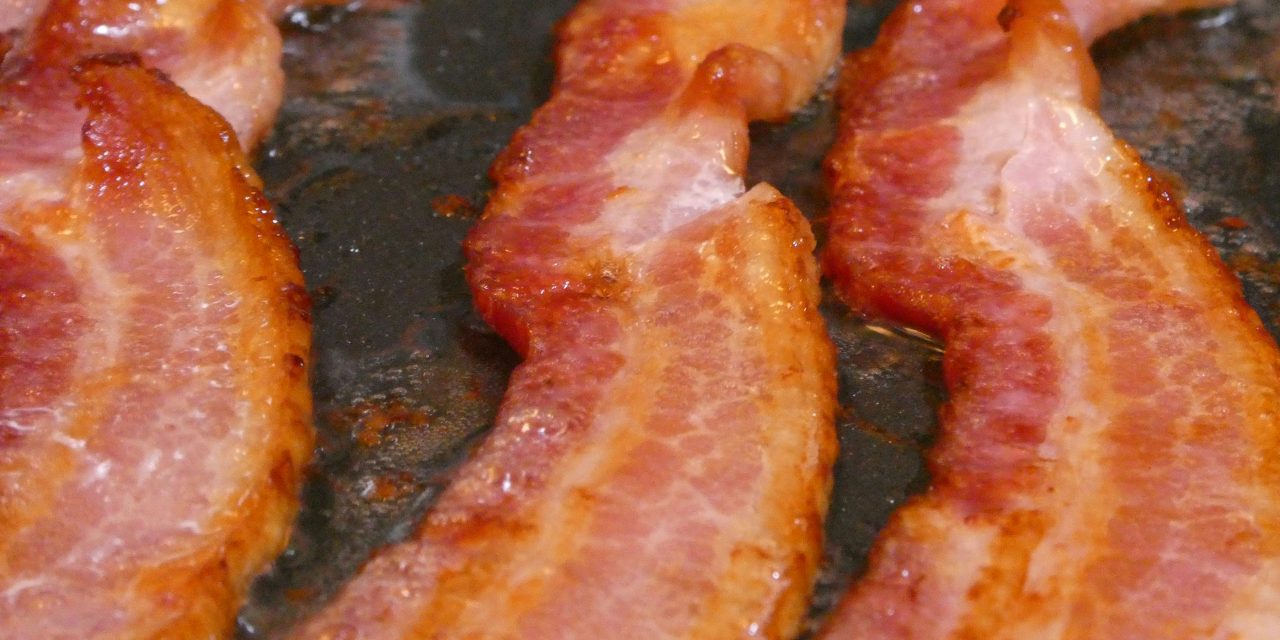
It’s advisable to start checking for doneness around the 12-minute mark, especially if you’re using thinner cuts of bacon. Keep an eye on the color and texture; once it reaches a golden brown hue and appears crispy, it’s ready to be removed from the oven.
Tips for Even Cooking and Crispy Bacon
To ensure that your bacon cooks evenly and achieves that coveted crispy texture, consider these helpful tips. First, avoid overcrowding the baking sheet; this can lead to steaming rather than crisping. If you have more bacon than can fit comfortably on one tray, consider using multiple trays or cooking in batches.
Additionally, flipping the bacon halfway through cooking can promote even browning on both sides. However, if you’re using a wire rack, flipping may not be necessary as air circulates around all sides of the bacon. Lastly, keep an eye on your bacon during the last few minutes of cooking; it can go from perfectly crispy to burnt quickly.
How to Drain and Dispose of Bacon Grease Safely
After enjoying your delicious oven-baked bacon, it’s essential to handle the leftover grease properly. Allow the grease to cool slightly before attempting to dispose of it; hot grease can cause burns or damage plumbing if poured down the drain.
One effective method is to pour cooled grease into a heat-resistant container—such as an empty glass jar or metal can—and allow it to solidify before discarding it in the trash. Alternatively, some individuals choose to save bacon grease for future culinary endeavors; it can add rich flavor when used in sautéing vegetables or as a base for gravies.
Cleaning Up: Keeping Your Oven and Kitchen Mess-Free
Cleaning up after cooking can often feel like a daunting task; however, with proper preparation and techniques, it can be manageable. If you lined your baking sheet with parchment paper or foil, simply remove it and discard it after cooking. For any stubborn grease residue left on the tray or wire rack, soak them in warm soapy water before scrubbing with a non-abrasive sponge.
To maintain a clean oven environment, consider placing a baking sheet on a lower rack to catch any drips during cooking. Regularly cleaning your oven will prevent buildup and ensure optimal performance over time.
Creative Ways to Use Oven-Baked Bacon in Recipes
Oven-baked bacon is not only delicious on its own but also serves as an excellent ingredient in various recipes. Crumble cooked bacon over salads for added crunch and flavor or incorporate it into breakfast dishes such as quiches or frittatas.
For those with a sweet tooth, consider wrapping strips of bacon around dates or asparagus for an enticing appetizer that balances savory and sweet flavors beautifully. Additionally, crumbled bacon can enhance pasta dishes or be used as a topping for baked potatoes or pizzas.
Troubleshooting Common Issues and Final Tips
Even with careful preparation, issues may arise during the process of baking bacon in the oven. If your bacon isn’t crisping up as expected, check that you’re using an appropriate temperature and that there’s enough space between strips for air circulation. If you find that your bacon is burning before reaching desired crispiness, consider lowering the temperature slightly and extending cooking time.
Lastly, remember that practice makes perfect; experimenting with different types of bacon and cooking times will help you discover your ideal method for oven-baked perfection.
In summary, cooking bacon in the oven offers numerous advantages over traditional stovetop methods including reduced mess and enhanced flavor consistency. By following essential steps such as preparing your baking sheet properly and monitoring cooking times closely, you can achieve perfectly crispy bacon every time while enjoying creative culinary applications beyond breakfast alone.
FAQs
What temperature should I set my oven to for cooking bacon?
For cooking bacon in the oven, it is recommended to preheat your oven to 400°F (200°C). This temperature allows the bacon to cook evenly and become crispy without burning.
Do I need to use a baking rack when cooking bacon in the oven?
Using a baking rack is optional but highly recommended. Placing the bacon on a rack allows the fat to drip off, resulting in crispier bacon. If you don’t have a rack, you can place the bacon directly on a lined baking sheet.
How long does it take to cook bacon in the oven?
The cooking time for bacon in the oven typically ranges from 15 to 20 minutes, depending on the thickness of the bacon and your desired level of crispiness. It’s best to check the bacon around the 15-minute mark to avoid overcooking.
Can I line my baking sheet with foil when cooking bacon?
Yes, lining your baking sheet with aluminum foil is a great idea. It makes for easier cleanup, as the grease will collect on the foil, and you can simply discard it after cooking.
Is it necessary to flip the bacon while cooking in the oven?
No, it is not necessary to flip the bacon while cooking in the oven. The bacon will cook evenly on both sides due to the consistent heat from the oven, allowing you to avoid the mess of flipping.