Gluten-free cooking has gained significant traction in recent years, primarily due to the increasing awareness of gluten-related disorders such as celiac disease and non-celiac gluten sensitivity. Gluten, a protein found in wheat, barley, and rye, can trigger adverse reactions in susceptible individuals, leading to gastrointestinal distress and other systemic symptoms. As a result, many people are opting for gluten-free diets not only for health reasons but also for overall wellness. This culinary approach emphasizes the use of alternative grains and flours, fresh produce, and wholesome ingredients that are naturally devoid of gluten.
The transition to gluten-free cooking may seem daunting at first, particularly for those accustomed to traditional recipes. However, with a wealth of gluten-free alternatives available today, it is possible to create delicious and satisfying meals without sacrificing flavor or texture. This article will explore the benefits of a gluten-free diet, guide you in selecting appropriate ingredients, and provide a variety of delectable recipes that cater to gluten-free lifestyles.
Benefits of a Gluten-Free Diet
Adopting a gluten-free diet can yield numerous health benefits, particularly for individuals with gluten intolerance or celiac disease. One of the most significant advantages is the alleviation of gastrointestinal symptoms such as bloating, diarrhea, and abdominal pain. By eliminating gluten from their diets, many individuals report improved digestion and overall gut health. Furthermore, a gluten-free diet often encourages the consumption of whole foods, including fruits, vegetables, lean proteins, and healthy fats, which can contribute to better nutritional status.
In addition to digestive health, a gluten-free diet may also enhance energy levels and mental clarity. Many individuals with gluten sensitivity experience fatigue and brain fog when consuming gluten-containing foods. By removing these triggers from their diets, they often report increased vitality and improved cognitive function. Moreover, some studies suggest that a gluten-free diet may have anti-inflammatory effects, potentially benefiting those with autoimmune conditions or chronic inflammation.
How to Choose Gluten-Free Ingredients

Selecting gluten-free ingredients is crucial for successful gluten-free cooking. When shopping for groceries, it is essential to read labels meticulously to identify any hidden sources of gluten. Many processed foods contain gluten as a stabilizing agent or thickener, so opting for whole foods is often the safest choice. Fresh fruits and vegetables, unprocessed meats, fish, eggs, nuts, seeds, and legumes are naturally gluten-free and should form the foundation of your meals.
When it comes to grains and flours, there are several excellent gluten-free alternatives available. Quinoa, brown rice, millet, buckwheat, and amaranth are nutritious grains that can be used in various dishes. For baking purposes, almond flour, coconut flour, and tapioca flour are popular choices that provide unique flavors and textures. Additionally, many brands now offer certified gluten-free products that undergo rigorous testing to ensure they meet safety standards.
Recipe 1: Quinoa and Vegetable Stir-Fry

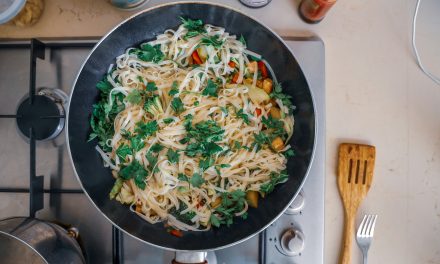
Quinoa and vegetable stir-fry is a vibrant dish that showcases the versatility of quinoa while incorporating an array of colorful vegetables. To prepare this dish, begin by rinsing one cup of quinoa under cold water to remove its natural coating called saponin. Cook the quinoa according to package instructions—typically using two cups of water or broth for every cup of quinoa—until fluffy.
In a large skillet or wok, heat two tablespoons of olive oil over medium-high heat. Add diced bell peppers, broccoli florets, sliced carrots, and snap peas to the pan. Sauté the vegetables for about five minutes until they are tender yet crisp. Stir in the cooked quinoa along with soy sauce or tamari (for a gluten-free option), minced garlic, and grated ginger. Cook for an additional two minutes until everything is well combined. Garnish with sesame seeds and chopped green onions before serving.
Recipe 2: Almond Flour Pancakes
Almond flour pancakes are a delightful breakfast option that is both nutritious and satisfying. To create this dish, combine one cup of almond flour with two tablespoons of coconut flour in a mixing bowl. Add two large eggs, half a cup of almond milk (or any non-dairy milk), one tablespoon of honey or maple syrup for sweetness, and a pinch of salt. Mix until smooth.
Heat a non-stick skillet over medium heat and lightly grease it with coconut oil or butter. Pour about a quarter cup of batter onto the skillet for each pancake. Cook for approximately three minutes on one side until bubbles form on the surface before flipping and cooking for an additional two minutes on the other side. Serve warm with fresh berries and a drizzle of maple syrup for an indulgent yet healthy breakfast.
Recipe 3: Chickpea and Spinach Curry
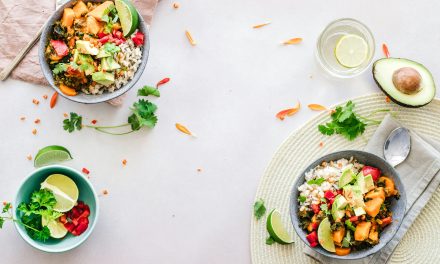
Chickpea and spinach curry is a hearty dish packed with protein and nutrients. Begin by heating two tablespoons of coconut oil in a large pot over medium heat. Add one diced onion and sauté until translucent. Incorporate minced garlic and grated ginger into the pot along with one tablespoon of curry powder and one teaspoon of cumin; cook for an additional minute until fragrant.
Next, add two cans of drained chickpeas and one can of diced tomatoes to the pot. Stir well to combine all ingredients before adding four cups of fresh spinach. Allow the mixture to simmer for about 15 minutes until heated through and the spinach has wilted. Season with salt and pepper to taste before serving over cooked brown rice or quinoa for a complete meal.
Recipe 4: Zucchini Noodles with Pesto
Zucchini noodles (or “zoodles”) offer a low-carb alternative to traditional pasta while providing essential vitamins and minerals. To prepare this dish, spiralize two medium zucchinis using a spiralizer or julienne peeler to create noodle-like strands. Set aside.
In a blender or food processor, combine one cup of fresh basil leaves, half a cup of pine nuts or walnuts, two cloves of garlic, half a cup of grated Parmesan cheese (or nutritional yeast for a vegan option), and half a cup of olive oil. Blend until smooth to create your pesto sauce.
In a large skillet over medium heat, sauté the zucchini noodles for about three minutes until slightly softened but still al dente. Toss the zoodles with the prepared pesto sauce until evenly coated. Serve immediately as a light yet flavorful meal.
Recipe 5: Baked Sweet Potato Fries
Baked sweet potato fries are a nutritious alternative to traditional French fries that can satisfy cravings without compromising health goals. Begin by preheating your oven to 425°F (220°C). Peel two medium sweet potatoes and cut them into thin strips resembling fries.
In a large bowl, toss the sweet potato strips with two tablespoons of olive oil, one teaspoon of paprika, half a teaspoon of garlic powder, salt, and pepper to taste. Spread the fries evenly on a baking sheet lined with parchment paper to ensure even cooking.
Bake in the preheated oven for approximately 25-30 minutes or until golden brown and crispy on the edges. Flip halfway through cooking for optimal crispiness. Serve warm as a side dish or snack with your favorite dipping sauce.
Recipe 6: Coconut Flour Banana Bread
Coconut flour banana bread is an excellent way to use overripe bananas while providing a gluten-free treat that is moist and flavorful. In a mixing bowl, mash three ripe bananas before adding four large eggs, one-third cup of melted coconut oil or butter, and one teaspoon of vanilla extract; mix until well combined.
In another bowl, whisk together half a cup of coconut flour, one teaspoon of baking soda, half a teaspoon of salt, and one teaspoon of cinnamon. Gradually incorporate the dry ingredients into the wet mixture until fully combined.
Pour the batter into a greased loaf pan and bake at 350°F (175°C) for approximately 45-50 minutes or until a toothpick inserted into the center comes out clean. Allow cooling before slicing into this deliciously moist banana bread.
Recipe 7: Grilled Lemon Herb Chicken
Grilled lemon herb chicken is an easy yet flavorful dish perfect for any occasion. Begin by marinating four boneless chicken breasts in a mixture of juice from two lemons, three tablespoons of olive oil, minced garlic cloves (about three), chopped fresh herbs such as rosemary or thyme (two tablespoons), salt, and pepper for at least 30 minutes.
Preheat your grill or grill pan over medium-high heat before placing the marinated chicken on it. Grill each side for approximately six to seven minutes or until fully cooked through (internal temperature should reach 165°F/75°C). Serve alongside grilled vegetables or over a bed of greens for a refreshing meal.
Tips for Enjoying and Experimenting with Gluten-Free Recipes
Embracing gluten-free cooking opens up an exciting world of culinary possibilities that can be both enjoyable and rewarding. To enhance your experience in this realm:
- Experiment with Flavors: Don’t hesitate to try new spices and herbs that can elevate your dishes beyond traditional flavors.
- Explore Alternative Grains: Incorporate diverse grains such as quinoa, millet, or teff into your meals for added nutrition.
- Get Creative with Substitutions: Use mashed bananas or applesauce as natural sweeteners in baked goods instead of refined sugars.
- Join Online Communities: Engage with others who share similar dietary preferences through social media groups or forums dedicated to gluten-free cooking.
- Attend Cooking Classes: Look for local classes focused on gluten-free cuisine where you can learn new techniques while meeting like-minded individuals.
By embracing these tips and exploring various recipes outlined above, you can enjoy delicious meals while adhering to your dietary needs without feeling deprived.
In summary, gluten-free cooking offers numerous health benefits while allowing individuals to explore diverse culinary options through innovative recipes that cater to various tastes and preferences. By selecting appropriate ingredients and experimenting with flavors in your kitchen, you can create satisfying meals that promote overall well-being while enjoying the process of cooking without gluten.
FAQs
What are gluten-free recipes?
Gluten-free recipes are dishes that do not contain gluten, a protein found in wheat, barley, and rye. These recipes are designed for individuals with celiac disease, gluten sensitivity, or those who choose to avoid gluten for other health reasons.
What ingredients can be used in gluten-free cooking?
Common gluten-free ingredients include rice, quinoa, corn, potatoes, legumes, nuts, seeds, and gluten-free flours such as almond flour, coconut flour, and rice flour. Many fruits and vegetables are naturally gluten-free as well.
Are gluten-free recipes healthier than regular recipes?
Gluten-free recipes can be healthier if they focus on whole, unprocessed foods. However, some gluten-free products can be high in sugar and fat. It’s important to choose nutrient-dense ingredients regardless of gluten content.
Can I substitute regular flour with gluten-free flour in recipes?
Yes, you can substitute regular flour with gluten-free flour, but it may require adjustments in the recipe. Gluten-free flours behave differently, so using a gluten-free flour blend or adding binders like xanthan gum can help achieve the desired texture.
Where can I find gluten-free recipes?
Gluten-free recipes can be found in various cookbooks, food blogs, and websites dedicated to gluten-free cooking. Many mainstream recipe sites also have filters to search specifically for gluten-free options.