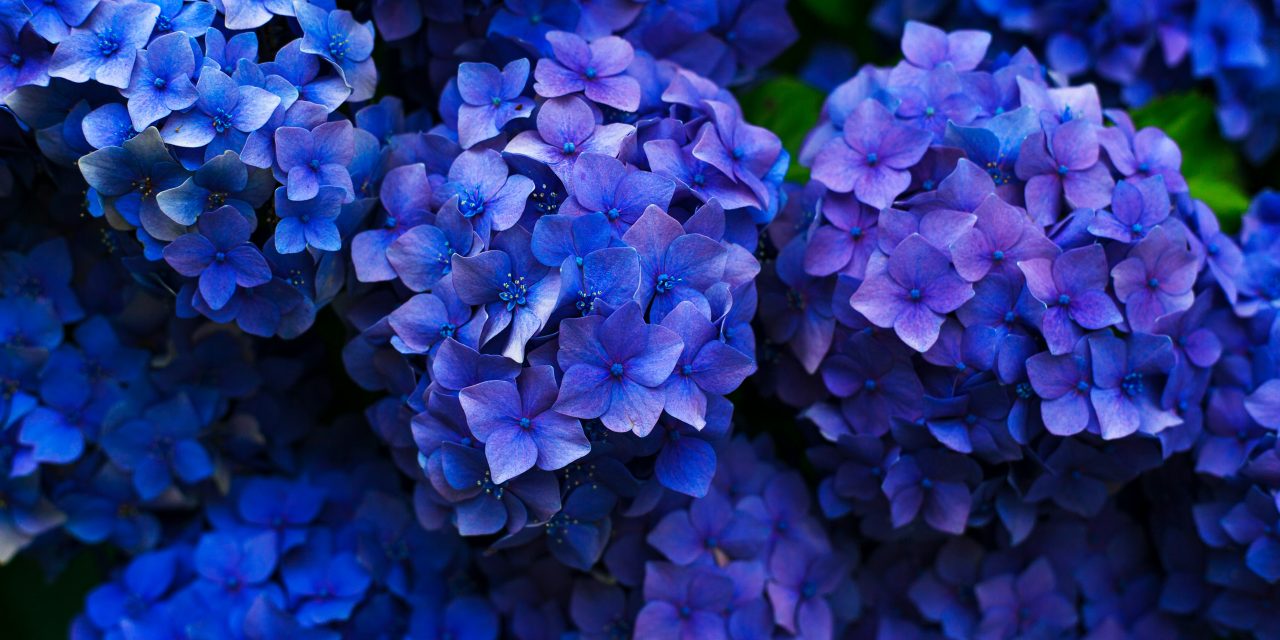
Hydrangeas are cherished for their lush foliage and vibrant blooms, making them a staple in gardens worldwide. These perennial shrubs belong to the genus Hydrangea, which encompasses over 70 species, each exhibiting unique characteristics. The blooming cycle of hydrangeas is influenced by various factors, including species type, environmental conditions, and care practices. Typically, these plants bloom from late spring to early fall, producing flowers in shades of blue, pink, white, and purple. The color of the blooms can also be affected by soil pH levels, adding another layer of complexity to their cultivation.
To achieve optimal blooming, it is essential to understand the specific needs of hydrangeas. Factors such as sunlight exposure, soil quality, and watering practices play a crucial role in determining the health and vibrancy of these plants. Additionally, proper pruning techniques and fertilization methods can significantly impact flowering. By addressing common issues that hinder blooming, gardeners can cultivate stunning hydrangeas that enhance the beauty of their landscapes.
Reason 1: Insufficient Sunlight Exposure
One of the primary reasons hydrangeas fail to bloom is insufficient sunlight exposure. While some species thrive in partial shade, most require at least four to six hours of direct sunlight daily to produce abundant flowers. Insufficient light can lead to weak growth and fewer blooms, as the plant lacks the energy needed for flowering. Gardeners should assess the location of their hydrangeas to ensure they receive adequate sunlight throughout the day.
To remedy this issue, consider relocating hydrangeas to a sunnier spot in the garden or selectively pruning surrounding plants that may be casting shade. Additionally, monitoring seasonal changes in sunlight can help identify any shifts that may affect blooming. By ensuring that hydrangeas receive optimal light exposure, gardeners can promote healthy growth and vibrant blooms.
Reason 2: Over-Fertilizing with Nitrogen

Another common issue affecting hydrangea blooming is over-fertilization, particularly with nitrogen-rich fertilizers. While nitrogen is essential for plant growth and foliage development, excessive amounts can lead to lush green leaves at the expense of flowers. This imbalance often results in a lack of blooms or delayed flowering. Gardeners should be cautious when applying fertilizers and adhere to recommended guidelines for hydrangeas.
To prevent over-fertilization, it is advisable to use a balanced fertilizer specifically formulated for flowering plants. A slow-release fertilizer with a lower nitrogen content can provide essential nutrients without promoting excessive leaf growth. Additionally, conducting a soil test can help determine nutrient levels and guide fertilization practices. By maintaining proper nutrient balance, gardeners can encourage healthy blooms while avoiding the pitfalls of over-fertilization.
Reason 3: Improper Pruning Techniques

Improper pruning techniques can significantly impact hydrangea blooming. Different species of hydrangeas have varying pruning requirements; some bloom on old wood while others bloom on new wood. Pruning at the wrong time or using incorrect methods can result in the removal of flower buds, leading to disappointing blooms. For instance, if a gardener prunes a hydrangea that blooms on old wood in late winter or early spring, they may inadvertently cut off the buds that would have produced flowers.
To ensure proper pruning practices, it is essential to identify the specific type of hydrangea being cultivated. For example, Hydrangea macrophylla (bigleaf hydrangea) typically requires pruning immediately after flowering, while Hydrangea paniculata (panicle hydrangea) can be pruned in late winter or early spring. Familiarizing oneself with the unique needs of each species will help gardeners avoid common pruning mistakes and promote healthy blooming.
Reason 4: Soil pH Imbalance Affecting Flower Color and Bloom
Soil pH plays a critical role in hydrangea blooming and flower color. Hydrangeas are unique in their ability to change flower color based on soil acidity or alkalinity. For instance, acidic soils (pH below 6) tend to produce blue flowers, while alkaline soils (pH above 7) yield pink blooms. A pH imbalance can not only affect flower color but also hinder blooming altogether if the soil lacks essential nutrients.
To address soil pH issues, gardeners should conduct regular soil tests to determine acidity levels. If the soil is too acidic for desired pink blooms, adding lime can help raise pH levels. Conversely, if blue flowers are preferred and the soil is too alkaline, incorporating sulfur can lower pH levels. By adjusting soil pH accordingly, gardeners can influence both flower color and blooming potential.
Reason 5: Environmental Stress and Weather Conditions
Environmental stressors such as extreme temperatures, drought conditions, or excessive rainfall can adversely affect hydrangea blooming. Hydrangeas are sensitive to fluctuations in weather; prolonged periods of heat or cold can lead to bud drop or delayed flowering. Additionally, heavy rainfall can cause root rot or other diseases that compromise plant health and blooming potential.
To mitigate environmental stress, gardeners should implement protective measures such as mulching to retain soil moisture during dry spells or providing shade during extreme heat. Monitoring weather patterns and adjusting care practices accordingly can also help alleviate stress on hydrangeas. By creating a stable environment for these plants, gardeners can enhance their resilience and promote consistent blooming.
Reason 6: Lack of Adequate Watering
Hydrangeas require consistent moisture to thrive and produce blooms; insufficient watering can lead to wilting and reduced flowering potential. These plants prefer well-drained soil that retains moisture without becoming waterlogged. A lack of adequate watering can stress the plant and inhibit its ability to produce flowers.
To ensure proper hydration, gardeners should establish a regular watering schedule, particularly during dry spells or hot weather. Deep watering is recommended to encourage root development and moisture retention in the soil. Additionally, using mulch around the base of hydrangeas can help retain moisture and regulate soil temperature. By prioritizing adequate watering practices, gardeners can support healthy growth and vibrant blooms.
Reason 7: Pest and Disease Interference
Pests and diseases pose significant threats to hydrangea health and blooming potential. Common pests such as aphids, spider mites, and scale insects can sap plant vitality and lead to reduced flowering. Similarly, diseases like powdery mildew or root rot can compromise overall plant health and inhibit blooming.
To combat pest infestations, regular monitoring is essential. Early detection allows for timely intervention using insecticidal soaps or organic pest control methods. Additionally, maintaining good air circulation around plants can help prevent disease development. Implementing proper cultural practices such as crop rotation and sanitation measures can further reduce disease risk. By addressing pest and disease issues promptly, gardeners can safeguard their hydrangeas and promote robust blooming.
How to Adjust Sunlight and Location for Better Blooms
To enhance blooming potential in hydrangeas, adjusting sunlight exposure and location is crucial. Gardeners should evaluate their planting sites to ensure that hydrangeas receive adequate sunlight while also considering their specific species requirements. For instance, while some varieties thrive in full sun, others may prefer partial shade during the hottest parts of the day.
If relocating hydrangeas is not feasible, consider using companion planting techniques to create microclimates that provide filtered light or shade during peak sun hours. Additionally, removing any obstructions that cast shade on the plants will improve light access. By optimizing sunlight exposure through thoughtful placement and companion planting strategies, gardeners can significantly enhance blooming potential.
Correct Pruning and Fertilizing Practices for Hydrangeas
Implementing correct pruning and fertilizing practices is vital for promoting healthy blooms in hydrangeas. Understanding the specific pruning needs of each species is essential; for example, bigleaf hydrangeas should be pruned immediately after flowering to avoid cutting off next year’s buds. In contrast, panicle hydrangeas benefit from late winter pruning to encourage vigorous growth.
When it comes to fertilization, using a balanced fertilizer formulated for flowering plants is recommended. Applying fertilizer in early spring as new growth begins will provide essential nutrients without promoting excessive foliage growth at the expense of blooms. Following these best practices will ensure that hydrangeas receive the care they need for optimal flowering.
Soil Testing and Amendments to Encourage Flowering
Conducting regular soil tests is an invaluable practice for gardeners seeking to optimize blooming potential in hydrangeas. Soil tests provide insights into nutrient levels and pH balance, allowing for informed amendments that promote healthy growth and vibrant flowers. Based on test results, gardeners can make necessary adjustments by adding organic matter or specific amendments such as lime or sulfur.
Incorporating organic compost into the soil not only improves nutrient availability but also enhances soil structure and moisture retention capabilities. Regularly amending soil with organic materials will create a conducive environment for hydrangeas to thrive and bloom abundantly.
In summary, understanding the various factors influencing hydrangea blooming is essential for successful cultivation. By addressing issues such as insufficient sunlight exposure, over-fertilization with nitrogen, improper pruning techniques, soil pH imbalances, environmental stressors, inadequate watering practices, and pest interference, gardeners can significantly enhance their chances of achieving vibrant blooms. Implementing effective strategies for adjusting sunlight exposure, practicing correct pruning and fertilizing techniques, conducting soil tests, and making necessary amendments will ultimately lead to flourishing hydrangeas that beautify any landscape.
### FAQ Section
1. **What type of sunlight do hydrangeas need?**
– Most hydrangeas require at least four to six hours of direct sunlight daily; however, some varieties prefer partial shade during peak sun hours.
2. **How often should I water my hydrangeas?**
– Hydrangeas should be watered deeply once a week during dry spells; however, frequency may vary based on environmental conditions.
3. **What is the best fertilizer for hydrangeas?**
– A balanced fertilizer formulated for flowering plants with lower nitrogen content is ideal for promoting blooms without excessive foliage growth.
4. **When should I prune my hydrangeas?**
– Pruning timing depends on the species; bigleaf varieties should be pruned immediately after flowering while panicle varieties benefit from late winter pruning.
5. **How do I change the color of my hydrangea flowers?**
– Adjusting soil pH levels through amendments such as lime (for pink) or sulfur (for blue) will influence flower color.
6. **What pests commonly affect hydrangeas?**
– Common pests include aphids, spider mites, and scale insects; regular monitoring is essential for early detection.
7. **How do I know if my hydrangea has root rot?**
– Signs include wilting leaves despite adequate watering; checking root health by inspecting for mushy or discolored roots is recommended.
8. **Can I grow hydrangeas in containers?**
– Yes! Many hydrangea varieties thrive in containers; ensure proper drainage and adequate sunlight exposure for optimal growth.
9. **What diseases should I watch out for with my hydrangeas?**
– Common diseases include powdery mildew and root rot; maintaining good air circulation and proper watering practices can help prevent these issues.
10. **How long does it take for newly planted hydrangeas to bloom?**
– Newly planted hydrangeas may take one to two years before producing significant blooms as they establish their root systems.
By addressing these frequently asked questions alongside understanding the fundamental principles of hydrangea care, gardeners can cultivate thriving plants that deliver stunning floral displays year after year.
FAQs
Why are my hydrangeas not blooming?
Hydrangeas may not bloom due to several factors, including insufficient sunlight, improper pruning, or nutrient deficiencies. It’s essential to ensure they receive at least 6 hours of sunlight daily and to prune them at the right time based on the specific variety you have.
What type of hydrangeas are most likely to not bloom?
Some hydrangea varieties, such as Hydrangea macrophylla (bigleaf hydrangeas), are particularly sensitive to pruning and environmental conditions. If pruned incorrectly or exposed to harsh winter conditions, they may fail to bloom.
How does soil pH affect hydrangea blooming?
The soil pH can significantly affect the blooming of hydrangeas, especially for bigleaf varieties. Acidic soils (pH below 6) can produce blue flowers, while alkaline soils (pH above 7) can lead to pink flowers. If the pH is not suitable, it may hinder blooming altogether.
Can overwatering cause hydrangeas not to bloom?
Yes, overwatering can lead to root rot and other issues that stress the plant, preventing it from blooming. Hydrangeas prefer well-drained soil, so it’s crucial to water them appropriately and allow the soil to dry out between waterings.
What can I do to encourage my hydrangeas to bloom?
To encourage blooming, ensure your hydrangeas are planted in a suitable location with adequate sunlight, prune them correctly based on their type, maintain proper soil moisture, and consider fertilizing with a balanced fertilizer during the growing season to provide necessary nutrients.