Brake noise, particularly when reversing a vehicle, can be a source of concern for many drivers. This phenomenon often manifests as squeaking, grinding, or even clunking sounds, which can indicate underlying issues with the braking system. Understanding the mechanics behind these noises is crucial for maintaining vehicle safety and performance. The braking system is a complex assembly of components designed to work in harmony, and any disruption can lead to audible warnings that should not be ignored.
When a vehicle is put into reverse, the dynamics of braking change significantly compared to forward motion. The weight distribution shifts, and the interaction between brake components can produce distinct sounds. Identifying the source of these noises is essential not only for the longevity of the braking system but also for ensuring the safety of the driver and passengers. This article delves into various factors contributing to brake noise when reversing, offering insights into prevention and treatment options.
If you’ve ever wondered why your car makes noise when braking in reverse, you might find it helpful to explore related automotive issues, such as electrical problems that can affect your vehicle’s performance. For instance, flickering lights can be a sign of underlying issues that may also impact your braking system. To learn more about this topic, check out this informative article on common causes and warning signs of flickering lights in your car: Why Do My Lights Keep Flickering? Common Causes and Warning Signs.
Worn Brake Pads: The Common Culprit
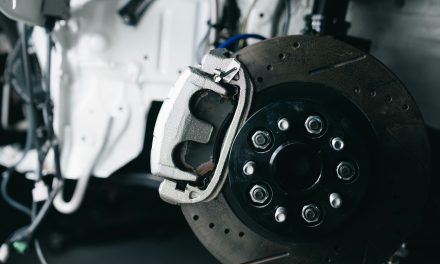
One of the most prevalent causes of brake noise in reverse is worn brake pads. Brake pads are designed to create friction against the rotors, allowing the vehicle to slow down or stop effectively. Over time, these pads can wear down due to constant use, leading to metal-on-metal contact that produces a distinctive squealing or grinding sound. The wear indicators embedded in many brake pads serve as a warning signal; when they become exposed, they create noise to alert drivers that replacement is necessary.
To mitigate this issue, regular inspections of brake pads are essential. It is advisable to replace brake pads every 30,000 to 70,000 miles, depending on driving habits and conditions. Drivers should also be aware of signs indicating that brake pads need attention, such as reduced braking efficiency or vibrations during braking. Investing in high-quality brake pads can also enhance performance and reduce noise levels.
Brake Dust and Debris Buildup

Brake dust and debris accumulation can significantly contribute to unwanted noise during reverse braking. As brake pads wear down, they generate fine particles that can settle on various components of the braking system. This buildup can interfere with the smooth operation of the brakes, leading to squeaking or grinding sounds when reversing. Additionally, debris can become lodged between the rotor and pad, exacerbating noise issues.
To prevent brake dust accumulation, regular cleaning of the braking system is recommended. Utilizing a soft brush or compressed air can help remove debris from the calipers and rotors. Furthermore, choosing low-dust brake pads can minimize the amount of particulate matter generated during braking. Maintaining clean brakes not only reduces noise but also enhances overall braking performance.
Glazed Brake Rotors and Their Effects

Glazed brake rotors occur when excessive heat causes the surface of the rotor to harden and become smooth. This condition often results from prolonged braking or aggressive driving habits. When rotors become glazed, they lose their ability to create adequate friction with the brake pads, leading to reduced stopping power and increased noise levels during braking, particularly in reverse.
To address glazed rotors, it may be necessary to resurface or replace them entirely. Resurfacing involves machining the rotor’s surface to restore its original texture, allowing for better pad contact and improved performance. Regularly monitoring rotor condition and avoiding excessive braking can help prevent glazing from occurring in the first place.
If you’ve ever wondered why your car makes noise when braking in reverse, you might find it helpful to explore related topics that delve into common automotive issues. For instance, understanding the mechanics behind brake systems can shed light on various noises that occur during different driving scenarios. A useful resource that discusses similar maintenance concerns can be found in this article about fixing household issues, which can be surprisingly relevant when considering the overall upkeep of your possessions. You can read more about it here.
Loose or Damaged Brake Components
Loose or damaged components within the braking system can also lead to noise when reversing. Parts such as calipers, brackets, and bolts must be securely fastened to ensure proper function. If any component becomes loose due to wear or improper installation, it can create rattling or clunking sounds during braking maneuvers.
To prevent this issue, routine inspections of brake components are crucial. Mechanics should check for tightness and integrity during regular maintenance appointments. If any components are found to be damaged or loose, they should be replaced immediately to avoid further complications and ensure safe operation.
If you’ve ever wondered why your car makes noise when braking in reverse, you might find it helpful to explore related topics that address vehicle maintenance. Understanding the various sounds your car makes can be crucial for ensuring its longevity and safety. For instance, checking your brakes regularly is essential, and you can learn more about seasonal maintenance tips that can help keep your vehicle in top shape by visiting this article on seasonal home maintenance. This resource provides insights that can be beneficial not only for your home but also for your car care routine.
Insufficient Lubrication on Brake Parts
Insufficient lubrication on brake parts can lead to increased friction and noise during braking operations. Components such as caliper slides and backing plates require proper lubrication to function smoothly. When lubrication is inadequate, it can result in squeaking or grinding sounds as parts rub against each other without sufficient separation.
To remedy this situation, applying high-temperature brake grease to contact points during brake service is essential. This practice not only reduces noise but also prolongs the life of brake components by minimizing wear and tear. Regular maintenance should include checking lubrication levels and reapplying grease as necessary.
Moisture and Rust Accumulation on Brakes
Moisture exposure can lead to rust accumulation on brake components, particularly in humid environments or after exposure to rain or snow. Rust can create a rough surface on rotors and pads, leading to increased friction and noise during braking. This issue is particularly pronounced when reversing, as the dynamics of braking change.
To combat rust accumulation, it is advisable to regularly inspect brakes for signs of corrosion. If rust is detected, it may be necessary to clean or replace affected components. Additionally, using rust-resistant materials for brake parts can help mitigate this issue over time.
Issues with Brake Calipers
Brake calipers play a critical role in the braking process by housing the brake pads and applying pressure against the rotors when engaged. If calipers become stuck or fail to retract properly after braking, they can cause continuous contact with the rotor, resulting in noise during reverse maneuvers. Symptoms of caliper issues may include uneven pad wear or a pulling sensation while driving.
To address caliper problems, it is essential to have them inspected regularly for proper function. If calipers are found to be malfunctioning, they may need to be rebuilt or replaced entirely. Ensuring that calipers are functioning correctly is vital for maintaining optimal braking performance and minimizing noise.
Problems with the Parking Brake Mechanism
The parking brake mechanism can also contribute to noise when reversing if it is not functioning correctly. If the parking brake does not fully disengage when released, it may cause dragging against the rear wheels, leading to squeaking or grinding sounds during reverse motion. This issue can arise from worn cables or malfunctioning components within the parking brake assembly.
To prevent parking brake-related noise issues, regular inspections of the parking brake system are necessary. Ensuring that cables are properly adjusted and components are in good condition will help maintain optimal performance. If problems persist, professional assistance may be required to diagnose and repair any underlying issues.
How Reverse Braking Differs from Forward Braking
The mechanics of reverse braking differ significantly from forward braking due to changes in weight distribution and vehicle dynamics. When a vehicle is in reverse, weight shifts toward the front wheels, altering how brakes engage with rotors and pads. This shift can lead to different sound profiles when reversing compared to forward motion.
Understanding these differences is crucial for diagnosing issues related to brake noise effectively. Drivers should pay attention to any unusual sounds specifically occurring during reverse maneuvers and seek professional assistance if necessary. Recognizing these distinctions can aid in identifying potential problems early on.
When to Seek Professional Brake Inspection and Repair
While some minor noises may not warrant immediate concern, certain signs indicate that professional inspection and repair are necessary. If brake noise persists despite routine maintenance or if it is accompanied by symptoms such as decreased stopping power or vibrations, it is crucial to seek expert assistance promptly.
Professional mechanics possess the expertise and tools required to diagnose complex brake issues accurately. They can perform comprehensive inspections of all components within the braking system and recommend appropriate solutions based on their findings. Ignoring persistent brake noise can lead to more severe problems down the line, potentially compromising vehicle safety.
In summary, understanding the various factors contributing to brake noise when reversing is essential for maintaining vehicle safety and performance. Regular inspections and maintenance practices can help prevent many common issues associated with worn pads, debris buildup, glazing rotors, loose components, insufficient lubrication, moisture accumulation, caliper problems, parking brake malfunctions, and differences in reverse braking dynamics. By addressing these concerns proactively and seeking professional assistance when necessary, drivers can ensure their vehicles remain safe and reliable on the road.
FAQs
What causes my car to make noise when braking in reverse?
Noise when braking in reverse can be caused by several factors, including worn brake pads, damaged rotors, or debris caught in the brake components. Additionally, the brake hardware may be loose or improperly installed, leading to noise during braking.
Is it normal for brakes to make noise when reversing?
While some noise can be normal, especially if it is a light squeak, loud or persistent noises are not typical and may indicate a problem. It’s important to have your brakes inspected if you notice unusual sounds to ensure safety and proper function.
Can low brake fluid cause noise when braking in reverse?
Low brake fluid can lead to reduced braking performance and may cause noise due to increased friction or improper engagement of the brake components. However, it is not a direct cause of noise when braking in reverse; it is more related to overall brake function.
How can I diagnose the source of the noise when braking in reverse?
To diagnose the source of the noise, you can visually inspect the brake pads and rotors for wear or damage, check for loose hardware, and listen for the noise while a mechanic drives the vehicle. A professional inspection is recommended for accurate diagnosis.
Should I be concerned if my car makes noise when braking in reverse?
Yes, you should be concerned if your car makes noise when braking in reverse, especially if the noise is loud or unusual. It could indicate a potential safety issue with your braking system, and it is advisable to have it checked by a qualified mechanic as soon as possible.