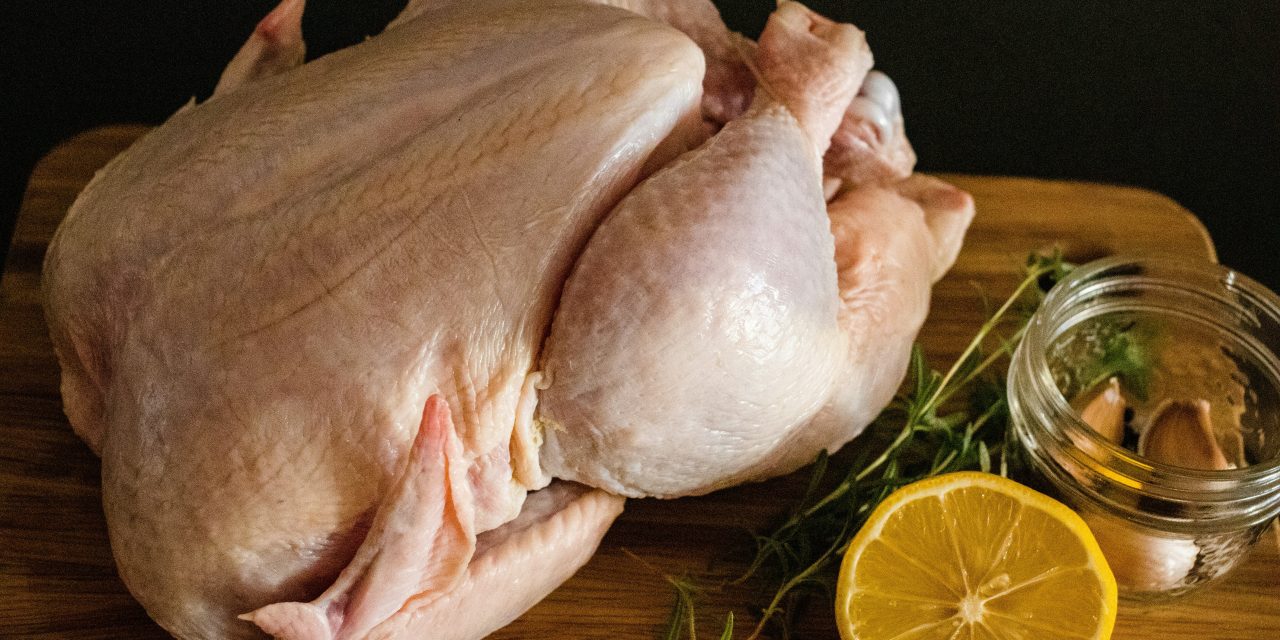
Frozen chicken is a staple in many households, providing a convenient and versatile protein source. However, understanding its shelf life is crucial for ensuring food safety and maintaining quality. The shelf life of frozen chicken can vary significantly based on several factors, including the cut of meat, storage conditions, and packaging. Generally, when properly stored at 0°F (-18°C) or lower, frozen chicken can remain safe indefinitely. However, for optimal quality, it is recommended to consume it within a specific timeframe.
The USDA suggests that whole chickens can be stored in the freezer for up to one year, while chicken parts, such as breasts and thighs, should ideally be consumed within nine months. Ground chicken has a shorter shelf life, typically lasting about three to four months. These timeframes are not strict expiration dates but rather guidelines to ensure the best flavor and texture. Beyond these periods, while the chicken may still be safe to eat, it may suffer from freezer burn or loss of flavor.
When considering the shelf life of frozen chicken, it’s essential to understand how proper storage can impact food safety and quality. For more insights on maintaining a clean environment that can help prevent pests in your kitchen, you might find this article on what attracts roaches to your bathroom particularly useful. You can read it here: What Attracts Roaches to Your Bathroom.
Factors Affecting Frozen Chicken Longevity
Several factors influence how long frozen chicken maintains its quality. One of the primary considerations is the initial freshness of the chicken before freezing. If the chicken was nearing its expiration date when frozen, its quality may deteriorate more quickly than that of freshly purchased poultry. Additionally, the method of freezing plays a significant role; rapid freezing helps preserve cellular structure and moisture content better than slow freezing.
Another critical factor is the packaging used for freezing. Vacuum-sealed bags are ideal as they minimize air exposure, which can lead to freezer burn. Conversely, chicken wrapped in regular plastic wrap or aluminum foil may not retain its quality as long due to air infiltration. Lastly, the temperature consistency of the freezer is vital; fluctuations can lead to partial thawing and refreezing, which can compromise the meat’s texture and safety.
Proper Storage Techniques for Frozen Chicken

To maximize the shelf life of frozen chicken, proper storage techniques are essential. First and foremost, ensure that your freezer is set to 0°F (-18°C) or lower. This temperature halts bacterial growth and preserves the meat’s quality. When preparing chicken for freezing, consider portioning it into meal-sized servings. This not only makes thawing easier but also reduces the risk of repeated freeze-thaw cycles.
Packaging is equally important; use airtight containers or vacuum-sealed bags to prevent air exposure. If using plastic wrap or aluminum foil, ensure that the chicken is tightly wrapped to minimize air contact. Label each package with the date of freezing to keep track of storage times effectively. Additionally, avoid overloading the freezer; proper air circulation is necessary for maintaining consistent temperatures throughout.
How Freezing Preserves Chicken Quality

Freezing is an effective method for preserving chicken quality by slowing down enzymatic reactions that can lead to spoilage. When chicken is frozen quickly at low temperatures, ice crystals form within the meat’s cells. This rapid freezing process helps maintain cellular integrity and moisture content, resulting in a more palatable product upon thawing.
Moreover, freezing inhibits microbial growth by creating an environment where bacteria cannot thrive. While freezing does not kill all bacteria present on the chicken, it effectively halts their reproduction. This preservation method allows consumers to store chicken for extended periods without compromising safety or quality when handled correctly.
When it comes to ensuring the safety and quality of your frozen chicken, understanding its shelf life is crucial. For more insights on maintaining your home during the colder months, you might find this article on winter home maintenance helpful. It covers essential tips that can prevent costly cold weather damage, which is particularly relevant if you’re storing food like frozen chicken. You can read more about it in this winter home maintenance checklist.
Recommended Freezing Duration for Different Chicken Cuts
Different cuts of chicken have varying recommended freezing durations to ensure optimal quality. Whole chickens can be stored for up to one year in the freezer, making them an excellent option for bulk purchases. Chicken breasts and thighs are best consumed within nine months for peak flavor and texture. Drumsticks and wings can also be stored for approximately six months.
Ground chicken has a shorter shelf life due to its increased surface area, which makes it more susceptible to freezer burn and spoilage; it should ideally be used within three to four months. By adhering to these guidelines, consumers can enjoy high-quality chicken dishes without compromising safety or taste.
When considering the shelf life of frozen chicken, it’s important to understand how proper storage techniques can significantly extend its usability. For those looking to make the most of their frozen ingredients, you might find inspiration in a related article that showcases simple sheet pan meals with minimal cleanup. These recipes not only save time but also help you utilize your frozen chicken effectively. Check out the article for some delicious ideas here.
Signs Your Frozen Chicken Has Gone Bad
Identifying signs of spoilage in frozen chicken is crucial for food safety. While frozen chicken may remain safe indefinitely if stored at proper temperatures, its quality can deteriorate over time. One of the most common indicators of spoilage is freezer burn, which appears as grayish-brown patches on the surface of the meat. Freezer burn occurs when air comes into contact with the chicken’s surface, leading to dehydration and loss of flavor.
Another sign that frozen chicken has gone bad is an off-putting odor upon thawing. Fresh chicken should have a mild scent; any strong or sour smells indicate spoilage. Additionally, if the texture appears slimy or sticky after thawing, it is best to discard the meat to avoid potential foodborne illness.
The Role of Freezer Temperature in Shelf Life
Maintaining a consistent freezer temperature is paramount for preserving frozen chicken’s shelf life and quality. The USDA recommends keeping freezers at 0°F (-18°C) or lower to ensure that food remains safe from bacterial growth and spoilage. Fluctuations in temperature can lead to partial thawing and refreezing, which compromises both safety and texture.
To monitor freezer temperature effectively, consider using an appliance thermometer placed inside the unit. Regularly check the temperature settings and ensure that the door seals are intact to prevent cold air from escaping. By maintaining optimal conditions within the freezer, consumers can extend the shelf life of their frozen chicken significantly.
Safe Thawing Methods to Maintain Chicken Safety
Thawing frozen chicken safely is essential for preventing foodborne illnesses caused by bacteria such as Salmonella and Campylobacter. There are three recommended methods for thawing: in the refrigerator, in cold water, or in the microwave.
Thawing in the refrigerator is the safest method; it allows for gradual defrosting while keeping the meat at a safe temperature below 40°F (4°C). This method may take several hours or overnight depending on the size of the chicken cut.
Alternatively, cold water thawing involves sealing the chicken in a leak-proof plastic bag and submerging it in cold water. Change the water every 30 minutes to maintain a safe temperature; this method typically takes one to three hours depending on the size of the meat.
Lastly, microwaving is a quick option but requires immediate cooking after thawing due to uneven heating that may allow bacteria to thrive in certain areas.
Can Frozen Chicken Be Refrozen?
Refreezing thawed chicken is a topic that often raises questions regarding safety and quality. According to USDA guidelines, it is safe to refreeze chicken that has been thawed in the refrigerator as long as it has not been left out at room temperature for more than two hours. However, refreezing may affect texture and flavor due to moisture loss during thawing.
If chicken has been thawed using cold water or microwaving methods, it should be cooked before refreezing to ensure safety. It is advisable to avoid refreezing raw chicken multiple times; instead, consider cooking it first and then freezing any leftovers for future meals.
Impact of Packaging on Frozen Chicken Shelf Life
The packaging used for frozen chicken significantly impacts its shelf life and overall quality. Vacuum-sealed bags are highly effective at preventing air exposure and minimizing freezer burn, thus extending freshness. These bags create an airtight seal that protects against moisture loss and oxidation.
Conversely, traditional packaging methods such as plastic wrap or aluminum foil may not provide adequate protection against air infiltration. If using these materials, ensure that they are tightly wrapped around the meat to minimize exposure. Additionally, consider using freezer-safe containers designed specifically for long-term storage; these containers help maintain optimal conditions for frozen foods.
Tips to Maximize the Shelf Life of Frozen Chicken
To maximize the shelf life of frozen chicken while maintaining its quality, several practical tips can be implemented:
1. **Portion Control**: Divide larger quantities into smaller portions before freezing to facilitate easier thawing.
2. **Use Airtight Packaging**: Invest in vacuum-sealed bags or freezer-safe containers that minimize air exposure.
3. **Label Packages**: Clearly label each package with dates to track storage times effectively.
4. **Avoid Overloading**: Ensure proper air circulation within your freezer by avoiding overcrowding.
5. **Monitor Temperature**: Regularly check your freezer’s temperature settings with an appliance thermometer.
6. **Cook Before Refreezing**: If you need to refreeze thawed chicken, cook it first to maintain safety.
7. **Store at Optimal Temperature**: Keep your freezer consistently at 0°F (-18°C) or lower for maximum preservation.
By following these guidelines, consumers can enjoy high-quality frozen chicken while minimizing waste and ensuring food safety.
In summary, understanding frozen chicken’s shelf life involves recognizing various factors such as initial freshness, storage techniques, and packaging methods that influence longevity and quality. Properly storing chicken at optimal temperatures while utilizing safe thawing methods ensures both safety and flavor retention over time. By adhering to recommended freezing durations for different cuts and being vigilant about signs of spoilage, consumers can enjoy this versatile protein source without compromising health or taste.
FAQs
What is the typical shelf life of frozen chicken?
The typical shelf life of frozen chicken is about 1 year when stored at 0°F (-18°C) or lower. However, for the best quality, it is recommended to use it within 6 months.
Can frozen chicken go bad?
Yes, frozen chicken can go bad, although it may not spoil in the same way as fresh chicken. Over time, it can develop freezer burn, which affects its texture and flavor, but it is still safe to eat if stored properly.
How can I tell if frozen chicken is still good?
You can tell if frozen chicken is still good by checking for signs of freezer burn, such as discoloration or dry patches. Additionally, if the chicken has an off smell or unusual texture after thawing, it is best to discard it.
Is it safe to refreeze thawed chicken?
Yes, it is safe to refreeze thawed chicken as long as it was thawed in the refrigerator and has not been left out at room temperature for more than 2 hours. However, refreezing may affect the quality of the meat.
What is the best way to store frozen chicken?
The best way to store frozen chicken is to keep it in its original packaging or transfer it to an airtight container or freezer bag to prevent freezer burn. Make sure to label the packaging with the date to track its shelf life.