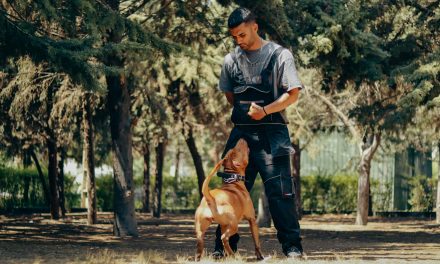
The “Stay” command is a fundamental aspect of canine obedience training that serves multiple purposes in ensuring the safety and well-being of both the dog and its owner. This command is not merely a trick; it is a vital tool that can prevent dangerous situations, such as a dog running into traffic or approaching an aggressive animal. By mastering the “Stay” command, dogs learn self-control and patience, which are essential traits for any well-behaved pet. Furthermore, this command fosters a deeper bond between the dog and its owner, as it requires trust and communication.
In addition to safety, the “Stay” command enhances a dog’s ability to focus and remain calm in various environments. This skill is particularly beneficial in social settings, where distractions abound. A dog that can reliably hold a “Stay” position is more likely to be welcomed in public spaces, such as parks or cafes, where good behavior is expected. Overall, the “Stay” command is an indispensable part of a dog’s training regimen, contributing to their overall behavior and integration into family life.
Preparing Your Training Environment
Creating an optimal training environment is crucial for effective learning. A well-prepared space minimizes distractions and allows the dog to focus on the task at hand. Ideally, this environment should be quiet and free from interruptions, especially during the initial stages of training. Choose a room in your home that is familiar to your dog, as this will help them feel more comfortable and secure. Ensure that the area is free from toys or other items that might divert their attention away from you.
In addition to a distraction-free zone, consider the physical setup of your training area. Use a non-slip surface to prevent accidents during training sessions. If possible, designate a specific spot for training, such as a mat or rug, where your dog learns to associate that space with obedience and focus. This consistency will aid in reinforcing the behavior you wish to instill. Lastly, ensure that you have all necessary training tools at hand, such as treats, a clicker for positive reinforcement, and a leash if needed.
Starting With Basic “Stay” Training Indoors

Once your training environment is set up, you can begin teaching the “Stay” command indoors. Start by having your dog sit in front of you. Use a clear and firm voice to issue the command “Stay.” It is essential to maintain eye contact with your dog during this process to reinforce your authority and encourage their focus on you. Initially, keep the duration short—just a few seconds—before rewarding them with praise or a treat for compliance.
As your dog becomes more comfortable with the command, gradually increase the duration of the “Stay.” This incremental approach helps build their confidence and understanding of what is expected. Remember to remain patient; some dogs may take longer than others to grasp the concept fully. Consistency is key during this phase; practice several times a day for short periods to keep your dog engaged without overwhelming them.
Using Clear and Consistent Commands

Clarity and consistency are paramount when teaching commands to your dog. When issuing the “Stay” command, use the same tone of voice and phrasing each time. This uniformity helps your dog understand what you expect from them. Avoid using variations of the command or mixing it with other commands, as this can confuse your pet and hinder their learning process.
In addition to verbal commands, consider incorporating hand signals to reinforce the “Stay” command visually. Dogs are adept at reading body language, so pairing verbal cues with visual signals can enhance their understanding. For example, you might extend your palm outward while saying “Stay.” This dual approach can be particularly effective for dogs that respond better to visual cues than auditory ones.
Gradually Introducing Mild Distractions
Once your dog has mastered the basic “Stay” command indoors, it’s time to introduce mild distractions to further solidify their training. Begin by practicing in a slightly busier environment within your home, such as near a window where they can see outside activity or in a room where family members are moving about. The goal is to challenge your dog’s focus without overwhelming them.
As you introduce distractions, be mindful of your dog’s body language. If they seem overly anxious or distracted, revert to a less stimulating environment until they regain confidence. Gradually increase the level of distractions over time—this could include tossing a toy nearby or having someone walk past them while they hold their “Stay.” Reward them for maintaining their position despite these distractions, reinforcing their ability to focus amidst chaos.
Reinforcing the “Stay” Command With Positive Rewards
Positive reinforcement is one of the most effective training techniques available for dogs. When your dog successfully holds their “Stay” position, immediately reward them with praise or treats. This immediate reinforcement helps them associate the command with positive outcomes, making them more likely to repeat the behavior in the future.
Consider varying your rewards to keep your dog engaged and motivated. While treats are an excellent incentive, incorporating verbal praise or playtime can also be effective. For instance, after successfully completing a “Stay,” you might engage in a brief game of fetch or tug-of-war as a reward. This variety keeps training sessions enjoyable and reinforces the bond between you and your pet.
Practicing in Different Locations to Generalize Behavior
To ensure that your dog understands the “Stay” command in various contexts, practice in different locations outside of your home environment. Start with familiar places like your backyard or driveway before progressing to more public areas such as parks or sidewalks. Each new location presents unique challenges and distractions that will help generalize their understanding of the command.
When practicing in new environments, begin with minimal distractions and gradually increase complexity as your dog becomes more comfortable. For example, start by practicing “Stay” in an empty park before introducing other dogs or people into the mix. This gradual exposure helps reinforce their training while building confidence in unfamiliar settings.
Increasing the Level of Distractions Step-by-Step
As your dog becomes proficient at holding their “Stay” command in various locations, it’s time to increase the level of distractions systematically. Begin by introducing mild distractions—such as other people walking by or children playing nearby—and observe how well your dog maintains their position. If they succeed, reward them generously; if they struggle, return to a less distracting environment until they regain focus.
Gradually escalate distractions over time by incorporating more challenging scenarios—such as other dogs running around or loud noises like traffic or construction sounds. The key is to ensure that each step forward is manageable for your dog; pushing them too quickly may lead to frustration or confusion. Always celebrate small victories along the way to maintain motivation and enthusiasm during training sessions.
Using Release Words to Signal the End of “Stay”
An essential aspect of teaching the “Stay” command is establishing a clear release word that signals when your dog can break from their position. Common release words include “Okay,” “Free,” or “Release.” It’s crucial that this word is distinct from other commands so that your dog understands when they are allowed to move again.
When introducing the release word, wait until your dog has successfully held their “Stay” for an appropriate duration before using it. After saying the release word, encourage them to come towards you or engage in playtime as a reward for their compliance. This practice reinforces their understanding of both commands—the “Stay” and its subsequent release—creating a clear framework for obedience.
Troubleshooting Common Challenges During Training
Training can present various challenges that may hinder progress with the “Stay” command. One common issue is a dog’s tendency to break position before being released. If this occurs frequently, assess whether you are asking too much too soon; consider reducing distractions or shortening the duration of the stay until they can succeed consistently.
Another challenge may arise from inconsistent reinforcement practices among family members or caregivers involved in training. Ensure everyone uses the same commands and rewards so that your dog receives uniform guidance throughout their learning process. If necessary, conduct family training sessions to align everyone on techniques and expectations.
Maintaining the “Stay” Command Over Time and in Real-Life Situations
Once your dog has mastered the “Stay” command, ongoing practice is essential for maintaining this behavior over time. Regularly incorporate short training sessions into your routine—this could be as simple as asking them to stay while you prepare meals or answer the door. Consistency helps reinforce their understanding and keeps skills sharp.
Additionally, expose your dog to real-life situations where they can practice their “Stay” command amidst various distractions—such as during family gatherings or outings at pet-friendly establishments. The more opportunities they have to demonstrate their skills in diverse environments, the more reliable their behavior will become over time.
In summary, teaching your dog the “Stay” command is an invaluable investment in their safety and obedience. By preparing an appropriate training environment, using clear commands, gradually introducing distractions, and reinforcing positive behavior through rewards, you can cultivate a well-behaved companion capable of maintaining focus even amidst chaos. Regular practice across different locations ensures that this essential skill remains sharp throughout your dog’s life while fostering a deeper bond between you both through effective communication and trust-building exercises.
FAQs
What is the best age to start teaching a dog to stay?
The best age to start teaching a dog to stay is typically around 6 months old, as this is when dogs begin to have better focus and understanding of commands. However, you can start introducing the concept of staying to puppies as young as 8 weeks, using short sessions and positive reinforcement.
What types of distractions should I use when training my dog to stay?
When training your dog to stay, you can use various distractions such as toys, other pets, people walking by, or sounds like doorbells. Gradually increasing the level of distraction helps your dog learn to maintain the stay command in real-world situations.
How long should I practice the stay command each session?
Each training session should last between 5 to 10 minutes to keep your dog engaged and prevent frustration. Frequent short sessions are more effective than longer, less frequent ones, especially when introducing distractions.
What rewards should I use to reinforce the stay command?
Using high-value treats, praise, and playtime as rewards can effectively reinforce the stay command. Choose rewards that your dog finds particularly motivating, and be sure to reward them immediately after they successfully maintain the stay position.
How can I tell if my dog is ready to handle distractions while staying?
Your dog is ready to handle distractions when they can consistently stay in position for a few seconds without breaking the command in a controlled environment. Gradually introduce distractions, and if your dog remains focused and in position, they are likely ready for more challenging scenarios.