Maintaining the integrity of your home begins with the often-overlooked task of inspecting and cleaning gutters. Clogged gutters can lead to a myriad of problems, including water damage to the roof, walls, and foundation. When debris accumulates, it obstructs the flow of rainwater, causing it to overflow and potentially seep into your home. This can result in mold growth, structural damage, and costly repairs. Regular inspections should be conducted at least twice a year, ideally in the spring and fall, to ensure that gutters are free from leaves, twigs, and other debris.
To effectively clean gutters, homeowners should utilize appropriate tools such as a sturdy ladder, gloves, and a trowel or scoop. It is advisable to wear protective eyewear to shield against falling debris. After removing the debris, flushing the gutters with water can help identify any leaks or blockages in the downspouts. If any issues are detected, prompt repairs are essential to prevent further complications. Additionally, installing gutter guards can significantly reduce the frequency of cleaning required while enhancing the overall efficiency of the drainage system.
If you’re looking to enhance your handyman skills, you might find it helpful to read an article that offers practical tips for home maintenance. For instance, you can check out this insightful piece on essential handyman maintenance tips that can save you time and money in the long run. Additionally, if you’re interested in cooking, you might enjoy learning how to prepare the perfect pork chops with this recipe found here: 7 Tips for Perfect Pork Chops.
Test Smoke and Carbon Monoxide Detectors
The importance of testing smoke and carbon monoxide detectors cannot be overstated when it comes to ensuring household safety. Smoke detectors serve as an early warning system against fire hazards, while carbon monoxide detectors alert residents to the presence of this colorless, odorless gas that can be lethal in high concentrations. It is recommended that homeowners test these devices monthly and replace batteries at least once a year. Furthermore, detectors should be replaced every ten years to ensure optimal functionality.
In addition to regular testing, it is crucial to install detectors in strategic locations throughout the home. Smoke detectors should be placed in every sleeping area, outside each bedroom, and on every level of the home. Carbon monoxide detectors should be installed near sleeping areas and on each level as well. Homeowners should also familiarize themselves with the sound of alarms and establish an emergency plan that includes escape routes and designated meeting points outside the home.
Seal Windows and Doors to Prevent Drafts

Sealing windows and doors is a vital step in enhancing energy efficiency within a home. Drafts can lead to significant heat loss during colder months and increased energy bills year-round. Homeowners should inspect weather stripping around doors and windows for signs of wear or damage. Replacing worn weather stripping with high-quality materials can create a tighter seal, preventing air leaks that compromise indoor comfort.
In addition to weather stripping, caulking gaps around window frames and door thresholds is essential for maintaining an airtight seal. This not only improves energy efficiency but also contributes to a more comfortable living environment by reducing drafts. Homeowners may also consider installing storm windows or doors for added insulation during extreme weather conditions. By taking these proactive measures, residents can enjoy a more energy-efficient home while reducing their carbon footprint.
Maintain HVAC Systems for Optimal Performance

Regular maintenance of heating, ventilation, and air conditioning (HVAC) systems is crucial for ensuring optimal performance and longevity. Neglecting these systems can lead to decreased efficiency, higher energy costs, and potential breakdowns during peak usage periods. Homeowners should schedule professional inspections at least once a year, ideally before the heating or cooling season begins. During these inspections, technicians will clean components, check refrigerant levels, and replace filters as needed.
In addition to professional maintenance, homeowners can take steps to enhance HVAC efficiency on their own. Regularly replacing air filters every one to three months is essential for maintaining airflow and improving indoor air quality. Keeping vents unobstructed by furniture or other objects allows for proper circulation throughout the home. Furthermore, homeowners should consider investing in programmable thermostats that allow for temperature adjustments based on occupancy patterns, ultimately leading to energy savings.
For homeowners looking to enhance their living spaces, understanding the basics of handyman maintenance is essential. Regular upkeep not only prevents costly repairs but also ensures that your home remains a comfortable and safe environment. If you’re also a pet owner, you might find it helpful to explore how to keep your furry friends well-groomed while maintaining your home. Check out this informative article on pet grooming basics that every owner should know, as it provides valuable tips that can complement your home maintenance routine.
Check and Repair Leaky Faucets
Leaky faucets may seem like a minor inconvenience; however, they can lead to significant water waste over time. A single dripping faucet can waste over 3,000 gallons of water annually, contributing to higher utility bills and environmental concerns. Homeowners should regularly inspect faucets for signs of leaks or drips and address any issues promptly. Common causes of leaks include worn washers or O-rings, which can often be replaced with minimal effort.
To repair a leaky faucet, homeowners should first turn off the water supply and disassemble the faucet according to its type—compression, cartridge, ball, or ceramic disk. After identifying the source of the leak, replacing worn components with new parts can restore functionality. In cases where repairs are not feasible or cost-effective, homeowners may consider upgrading to more efficient fixtures that conserve water while enhancing aesthetics.
For homeowners looking to enhance their living spaces, understanding the importance of regular handyman maintenance can be crucial. A well-maintained home not only ensures safety but also preserves property value over time. If you’re interested in exploring more about how to keep your home in top shape, you might find this article on dog boarding facilities particularly useful, as it highlights the significance of maintaining a safe environment for your pets, which is an essential aspect of home care.
Clean and Service Your Water Heater
Water heaters are essential appliances that require regular cleaning and servicing to ensure optimal performance and longevity. Over time, sediment buildup can occur within the tank, leading to decreased efficiency and potential damage. Homeowners should flush their water heaters at least once a year to remove sediment and mineral deposits that accumulate over time. This process involves turning off the power supply or gas valve, connecting a hose to the drain valve, and allowing water to flow out until it runs clear.
In addition to flushing the tank, homeowners should inspect the anode rod—a sacrificial component designed to prevent corrosion within the tank. If the anode rod is significantly corroded or depleted, replacing it can extend the lifespan of the water heater. Regular maintenance not only enhances efficiency but also ensures that hot water is readily available when needed.
Inspect Roof for Damages and Leaks
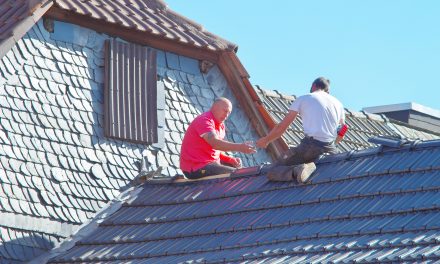
The roof serves as the first line of defense against environmental elements; therefore, regular inspections are paramount for maintaining its integrity. Homeowners should conduct visual inspections at least twice a year—preferably in spring and fall—to identify any signs of damage or wear. Common issues include missing shingles, cracked tiles, or signs of water pooling on flat roofs. Addressing these problems promptly can prevent leaks that may lead to extensive interior damage.
In addition to visual inspections, homeowners should consider hiring a professional roofing contractor for a thorough assessment every few years. These experts can identify hidden issues such as weakened flashing or deteriorating underlayment that may not be visible during routine inspections. By investing in regular roof maintenance and repairs, homeowners can protect their property from costly water damage while extending the lifespan of their roofing system.
Lubricate Door Hinges and Locks
Proper maintenance of door hinges and locks is essential for ensuring smooth operation and security within a home. Over time, hinges may become stiff or squeaky due to dirt accumulation or lack of lubrication. Homeowners should periodically apply a suitable lubricant—such as silicone spray or graphite powder—to hinges to facilitate smooth movement and prevent wear.
Locks also require attention; lubricating them helps prevent sticking or jamming that could compromise security. Homeowners should use a graphite-based lubricant specifically designed for locks to avoid attracting dirt or debris that could hinder functionality. Regular maintenance of these components not only enhances convenience but also contributes to overall home security.
Flush Drains to Prevent Clogs
Clogged drains can lead to frustrating plumbing issues that disrupt daily life; therefore, regular flushing is essential for maintaining clear drainage systems. Homeowners should adopt preventive measures such as pouring boiling water down drains periodically to dissolve grease buildup and flush away debris. Additionally, using a mixture of baking soda and vinegar can effectively break down organic matter without resorting to harsh chemicals.
For persistent clogs or slow drains, homeowners may consider using a plumber’s snake or auger to remove blockages manually. However, if clogs become recurrent despite preventive measures, it may indicate deeper plumbing issues requiring professional assessment. Regular drain maintenance not only prevents clogs but also promotes efficient wastewater disposal throughout the home.
Touch Up Paint and Repair Wall Cracks
Maintaining the aesthetic appeal of your home involves regular touch-ups of paint and repairs of wall cracks. Over time, walls may develop imperfections due to settling or temperature fluctuations that cause paint to chip or peel. Homeowners should inspect interior and exterior walls regularly for signs of wear and address them promptly with appropriate paint touch-ups.
For wall cracks that exceed superficial damage, homeowners may need to employ patching compounds or caulk to fill gaps effectively before repainting. This not only enhances visual appeal but also prevents moisture intrusion that could lead to mold growth or structural damage over time. By prioritizing wall maintenance, homeowners can preserve their property’s value while creating a welcoming environment.
Schedule Routine Pest Control Measures
Preventing pest infestations is crucial for maintaining a healthy living environment within your home. Scheduling routine pest control measures helps identify potential issues before they escalate into significant problems. Homeowners should consider quarterly inspections by licensed pest control professionals who can assess vulnerabilities in their property.
In addition to professional services, homeowners can adopt preventive measures such as sealing entry points around windows and doors while maintaining cleanliness in kitchens and dining areas to deter pests from entering. Utilizing natural deterrents like diatomaceous earth or essential oils can also provide effective pest control without resorting to harsh chemicals. By prioritizing pest prevention strategies, residents can safeguard their homes against unwanted intruders while promoting overall well-being.
In summary, maintaining a safe and efficient home requires diligence across various aspects—from inspecting gutters and testing detectors to sealing drafts and servicing HVAC systems. Regular maintenance not only enhances comfort but also prevents costly repairs down the line while promoting energy efficiency and safety within your living space. By adopting proactive measures such as routine inspections and timely repairs, homeowners can ensure their properties remain secure and functional for years to come.
FAQs
What services does a handyman typically provide?
A handyman typically provides a wide range of services including minor home repairs, maintenance tasks, installations, and improvements. Common services include plumbing repairs, electrical work, painting, drywall repair, carpentry, and general home maintenance tasks such as gutter cleaning and appliance installation.
How do I know if I need a handyman or a specialized contractor?
If the task is minor and does not require specialized skills or permits, a handyman is usually sufficient. For larger projects or those that require specific expertise, such as major electrical work or plumbing installations, it is advisable to hire a licensed contractor who specializes in that area.
What should I look for when hiring a handyman?
When hiring a handyman, consider their experience, customer reviews, and whether they are licensed and insured. It’s also important to discuss their rates, availability, and whether they provide a written estimate before starting the work. Asking for references can also help ensure you choose a reliable professional.
Are handyman services expensive?
The cost of handyman services can vary widely depending on the complexity of the job, the handyman’s experience, and your location. On average, handymen may charge hourly rates ranging from $50 to $150, or they may provide flat-rate pricing for specific tasks. It’s best to get quotes from multiple handymen to compare prices.
How can I maintain my home to reduce the need for handyman services?
Regular maintenance can help reduce the need for handyman services. This includes routine tasks such as cleaning gutters, checking for leaks, changing air filters, and inspecting appliances. Keeping up with seasonal maintenance, such as winterizing your home or preparing for summer, can also prevent larger issues from developing.