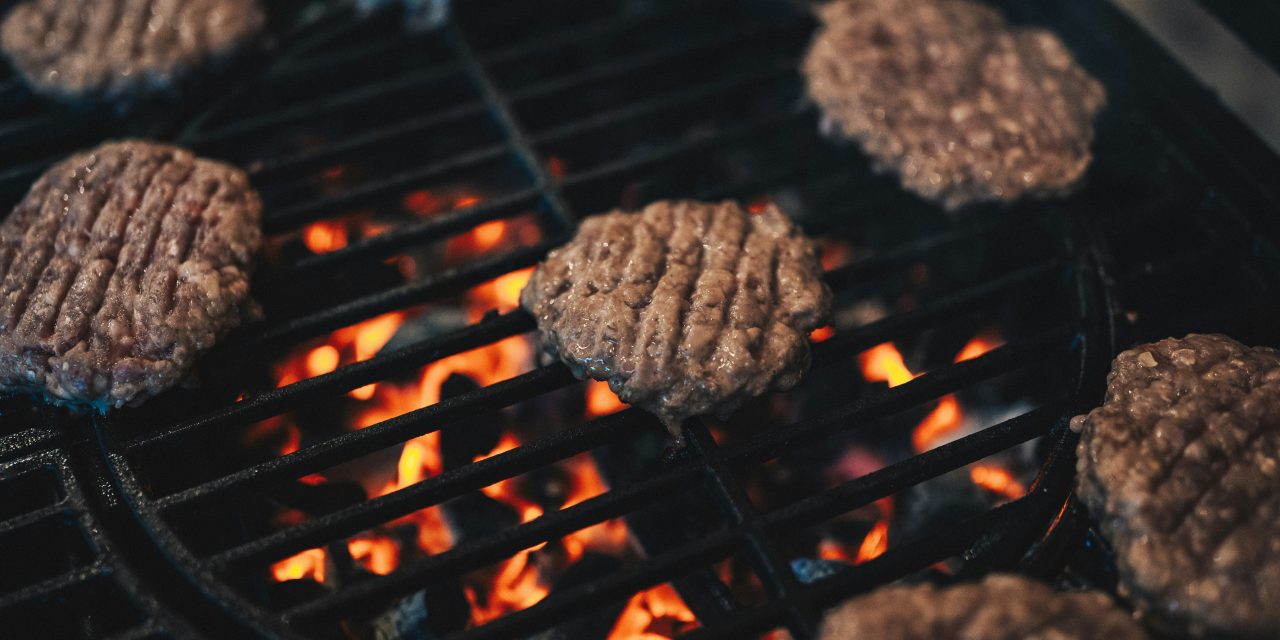
Selecting the appropriate ground beef is paramount for achieving juicy and flavorful burgers. The quality of the meat significantly influences the overall taste and texture of the final product. When shopping for ground beef, it is essential to consider the cut of meat used in the grinding process. Ground chuck, which typically contains 15-20% fat, is often regarded as the ideal choice for burgers due to its balance of flavor and moisture. This fat content not only enhances the juiciness but also contributes to a rich, beefy flavor that is hard to replicate with leaner cuts.
In contrast, ground sirloin, while leaner and healthier, may result in a drier burger if not cooked carefully. It usually contains around 10-15% fat, which can lead to a less succulent outcome. For those seeking a more decadent experience, ground brisket or a blend of different cuts can elevate the burger’s flavor profile. Ultimately, the choice of ground beef should align with personal preferences regarding taste and health considerations, but opting for a higher fat content generally yields a more satisfying burger.
If you’re looking to master the art of grilling burgers without drying them out, you might find it helpful to explore some related tips on kitchen safety. For instance, understanding how to store kitchen items safely can enhance your cooking experience. Check out this article on safe storage practices for household items, which can help you create a more organized and efficient cooking environment: 10 Tips to Store Laundry Pods Safely with Kids at Home.
Incorporating Fat Content for Moisture
Fat plays a crucial role in ensuring that burgers remain moist and flavorful during cooking. The incorporation of fat not only enhances the taste but also contributes to the texture, making each bite tender and juicy. When selecting ground beef, it is advisable to aim for a fat content of at least 15%. This percentage strikes a balance between flavor and health, providing enough moisture without overwhelming the palate with grease.
In addition to choosing the right fat content in ground beef, one can also enhance moisture by incorporating additional ingredients. For instance, mixing in finely chopped onions or mushrooms can introduce extra moisture and flavor. Some chefs even recommend adding a small amount of Worcestershire sauce or beef broth to the meat mixture before forming patties. These additions can help maintain juiciness while imparting unique flavors that elevate the overall burger experience.
Avoid Overworking the Meat When Forming Patties

When forming burger patties, it is crucial to handle the meat gently to avoid overworking it. Overworking ground beef can lead to a dense and tough texture, which detracts from the desired juiciness and tenderness. The key is to mix the ingredients just enough to combine them without compressing the meat excessively. Using cold hands or tools can help maintain the integrity of the meat fibers.
To form patties effectively, consider dividing the meat into equal portions and gently shaping each portion into a round patty without excessive pressure. A light touch ensures that air pockets remain within the meat, allowing for better moisture retention during cooking. Additionally, creating a slight indentation in the center of each patty can help maintain its shape and prevent it from puffing up while grilling.
Creating an Indentation to Prevent Puffing

One common issue when grilling burgers is puffing, which occurs when air trapped inside the patty expands during cooking. This can lead to uneven cooking and an undesirable shape. To combat this problem, creating an indentation in the center of each patty is an effective technique. By pressing your thumb or a spoon into the center of the patty before grilling, you create a small well that allows steam to escape.
This simple yet effective method not only helps maintain the patty’s shape but also promotes even cooking throughout. As the burger cooks, the indentation will fill out, resulting in a perfectly shaped patty that retains its juiciness. This technique is particularly beneficial when grilling at high temperatures, where rapid cooking can exacerbate puffing issues.
Grilling the perfect burger can be a challenge, especially when it comes to keeping them juicy and flavorful. One effective technique is to avoid pressing down on the patties while they cook, as this can squeeze out the natural juices. For more tips on achieving the best results in your outdoor cooking, you might find this article on essential DIY home repair tips helpful, as it emphasizes the importance of preparation and technique in any project. Check it out here for insights that can enhance your grilling experience.
Seasoning Your Burgers Properly
Proper seasoning is essential for enhancing the flavor profile of your burgers. While some may argue that high-quality beef requires minimal seasoning, a well-seasoned burger can elevate even average meat to new heights. The key is to season generously but thoughtfully. A simple blend of kosher salt and freshly cracked black pepper is often sufficient to bring out the natural flavors of the beef.
For those looking to experiment with flavors, consider incorporating additional spices or herbs into the meat mixture before forming patties. Garlic powder, onion powder, smoked paprika, or even fresh herbs like parsley or thyme can add depth and complexity to your burgers. However, it is crucial not to overdo it; too many competing flavors can overwhelm the palate and mask the beef’s natural taste.
If you’re looking to master the art of grilling burgers without drying them out, you might find it helpful to explore some techniques that focus on maintaining moisture and flavor. One useful resource is an article that discusses various tips and tricks for achieving juicy burgers every time. For more insights, check out this informative piece on grilling techniques that can elevate your outdoor cooking game.
Preheating the Grill to the Ideal Temperature
Achieving perfectly grilled burgers requires careful attention to grill temperature. Preheating your grill is essential for creating a sear that locks in juices while developing a flavorful crust on the outside. Ideally, you should preheat your grill to medium-high heat, around 375°F to 450°F (190°C to 232°C). This temperature range allows for optimal cooking without risking burning or drying out the patties.
To ensure even heat distribution, allow your grill grates to heat up for at least 10-15 minutes before placing your patties on them. If using a charcoal grill, ensure that the coals are evenly distributed and glowing red before cooking. For gas grills, simply turn on all burners and close the lid during preheating. A properly heated grill will create those coveted grill marks while sealing in moisture for a juicy burger.
Avoid Pressing Down on Patties While Grilling
One common mistake many grillers make is pressing down on burger patties while they cook. While it may seem like a good idea to release excess fat or juices, this practice actually leads to dry burgers. Pressing down forces out flavorful juices that contribute to moisture and tenderness, resulting in an unappetizing final product.
Instead of pressing down on patties, allow them to cook undisturbed for several minutes on each side. This will enable a proper sear to form while retaining essential juices within the meat. If you find yourself tempted to check for doneness or flip too soon, resist that urge; patience is key when grilling burgers.
Timing the Flip: When and How Often to Turn
Timing is critical when it comes to flipping burgers on the grill. Ideally, you should flip your patties only once during cooking to ensure even browning and prevent them from falling apart. A good rule of thumb is to wait until you see juices pooling on the surface of the patty before flipping—this typically takes about 4-5 minutes on medium-high heat.
When it’s time to flip, use a spatula designed for grilling to gently lift and turn each patty without applying pressure. Avoid using forks or sharp utensils that could puncture the meat and release valuable juices. After flipping, allow the patties to cook for an additional 3-5 minutes on the other side until they reach your desired level of doneness.
Using a Meat Thermometer to Ensure Perfect Doneness
To achieve perfectly cooked burgers every time, utilizing a meat thermometer is highly recommended. This tool takes the guesswork out of determining doneness and ensures food safety by eliminating any risk of undercooked meat. For ground beef, the USDA recommends an internal temperature of 160°F (71°C) for safe consumption.
Insert the thermometer into the thickest part of the patty without touching bone or gristle for an accurate reading. If you prefer your burgers medium-rare or medium, aim for internal temperatures of 130°F (54°C) or 140°F (60°C), respectively; however, be aware that consuming undercooked ground beef carries health risks due to potential bacteria such as E.coli or Salmonella.
Letting Burgers Rest Before Serving
Resting burgers after grilling is an often-overlooked step that can significantly enhance their juiciness and flavor. Allowing cooked patties to rest for about 5 minutes before serving enables juices that have been driven toward the center during cooking to redistribute throughout the meat. This results in a more succulent burger with improved texture.
During this resting period, cover your burgers loosely with aluminum foil to retain warmth without trapping steam that could lead to sogginess. Once rested, serve your burgers on toasted buns with your choice of toppings for an unforgettable meal experience.
Adding Moisture-Rich Toppings and Buns
The final touch in crafting an exceptional burger lies in selecting moisture-rich toppings and buns that complement your creation. Fresh vegetables such as lettuce, tomatoes, and pickles not only add crunch but also contribute moisture that enhances each bite’s overall experience. Avocado slices or guacamole can introduce creaminess while providing healthy fats.
When it comes to buns, opt for options that are sturdy enough to hold up against juicy patties without becoming soggy. Brioche or pretzel buns are excellent choices due to their rich flavors and textures that pair well with grilled meats. Additionally, consider spreading condiments like mayonnaise or aioli on both sides of the bun; these add moisture while enhancing flavor profiles.
In summary, crafting juicy burgers involves careful consideration at every stage—from selecting quality ground beef with adequate fat content to employing proper cooking techniques such as avoiding excessive handling and pressing down on patties while grilling. By following these guidelines and incorporating moisture-rich toppings and buns into your final creation, you can ensure that each burger served is not only delicious but also bursting with flavor and juiciness.
### FAQ Section
1. **What type of ground beef should I use for burgers?**
– Ground chuck with 15-20% fat content is ideal for juicy burgers.
2. **How do I prevent my burgers from drying out?**
– Incorporate fat into your ground beef mixture and avoid overworking it when forming patties.
3. **Should I season my burgers before or after cooking?**
– Seasoning before cooking enhances flavor; however, you can add toppings after grilling as well.
4. **What temperature should I preheat my grill?**
– Aim for medium-high heat between 375°F (190°C) and 450°F (232°C).
5. **How often should I flip my burgers?**
– Flip only once during cooking; wait until juices pool on top before turning.
6. **What internal temperature should my burgers reach?**
– Ground beef should reach an internal temperature of 160°F (71°C) for safe consumption.
7. **Why should I let my burgers rest before serving?**
– Resting allows juices to redistribute throughout the meat for improved flavor and texture.
8. **What toppings can I add for extra moisture?**
– Consider adding fresh vegetables like lettuce and tomatoes or creamy toppings like avocado or mayonnaise.
9. **Can I use leaner cuts of beef?**
– While leaner cuts like sirloin are healthier, they may result in drier burgers if not cooked carefully.
10. **How do I know when my grill is ready?**
– Preheat for at least 10-15 minutes until grates are hot; you can test by sprinkling water on them—if it sizzles away quickly, it’s ready.
In conclusion, mastering burger preparation involves understanding various factors such as meat selection, seasoning techniques, cooking methods, and resting periods—all contributing towards achieving juicy perfection in every bite!
FAQs
What is the ideal fat content for burger patties to prevent drying out?
The ideal fat content for burger patties is around 15-20%. This fat content helps to keep the burgers juicy during grilling, as the fat renders and adds moisture to the meat. Leaner meats can lead to drier burgers, so it’s best to choose ground beef with a higher fat ratio, such as 80/20 (80% lean meat and 20% fat).
How can I season my burgers without compromising their moisture?
To season your burgers without compromising moisture, it’s best to use a light hand with salt and other seasonings. Salt can draw moisture out of the meat if added too early, so consider seasoning just before grilling. Additionally, using ingredients like Worcestershire sauce or a marinade can enhance flavor while helping to retain moisture.
What grilling techniques can help keep burgers juicy?
To keep burgers juicy while grilling, use medium-high heat and avoid pressing down on the patties with a spatula, as this can squeeze out juices. Flip the burgers only once during cooking and aim for an internal temperature of 160°F (71°C) for medium doneness. Additionally, consider using a two-zone fire method, where one side of the grill is hotter for searing and the other side is cooler for finishing cooking.
Should I let the burgers rest after grilling, and why?
Yes, letting the burgers rest for a few minutes after grilling is important. Resting allows the juices to redistribute throughout the meat, which helps to keep the burgers moist when you bite into them. A resting period of about 5 minutes is typically sufficient for optimal juiciness.
Can I use a meat thermometer to ensure my burgers are cooked properly?
Absolutely! Using a meat thermometer is an excellent way to ensure your burgers are cooked properly without drying them out. The USDA recommends cooking ground beef to an internal temperature of 160°F (71°C). A meat thermometer can help you achieve this temperature accurately, ensuring that the burgers are safe to eat while still retaining their juiciness.