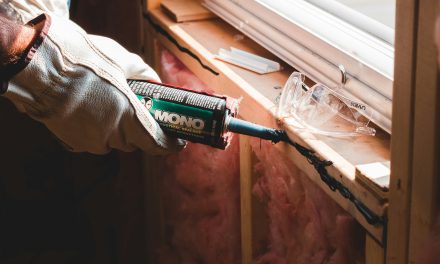
As winter approaches, homeowners must prioritize maintenance tasks to ensure their residences remain safe and comfortable during the frigid months. The first step involves inspecting insulation in attics, basements, and crawl spaces. Proper insulation minimizes heat loss, which can significantly reduce energy bills. Homeowners should also check for drafts around windows and doors, sealing any gaps with weather stripping or caulk to prevent cold air infiltration. This simple yet effective measure can enhance indoor comfort and reduce heating costs.
Another critical aspect of winter preparation is the examination of heating systems. Homeowners should schedule a professional inspection of their furnaces or boilers to ensure optimal performance. This includes cleaning or replacing filters, checking for gas leaks, and ensuring that all components are functioning correctly. Additionally, it is advisable to have a backup heating source, such as space heaters or a fireplace, ready for use in case of a power outage or heating system failure.
Spring Cleaning and Repairs: Refreshing Your Home
With the arrival of spring, homeowners often feel inspired to rejuvenate their living spaces through thorough cleaning and repairs. Spring cleaning is not merely about tidying up; it involves deep cleaning carpets, upholstery, and drapes to eliminate allergens and dust accumulated over the winter months. Utilizing eco-friendly cleaning products can enhance indoor air quality while being gentle on the environment.
In addition to cleaning, spring is an opportune time to address any repairs that may have been neglected during the colder months. This includes inspecting the exterior of the home for any damage caused by winter weather, such as cracked siding or peeling paint. Homeowners should also check for leaks in roofs and gutters, ensuring that water drainage systems are functioning correctly to prevent future water damage.
Summer Upkeep: Keeping Cool and Preventing Damage

As temperatures rise, maintaining a comfortable indoor environment becomes paramount. Homeowners should focus on their air conditioning systems during the summer months. Regular maintenance, including cleaning or replacing filters and checking refrigerant levels, is essential for optimal performance. A well-functioning air conditioning unit not only keeps homes cool but also improves energy efficiency.
Moreover, summer is an ideal time to inspect outdoor spaces for potential damage. This includes checking decks, patios, and fences for signs of wear and tear. Regularly applying sealants or stains can protect wooden structures from moisture and UV damage. Additionally, homeowners should ensure that landscaping is well-maintained, as overgrown vegetation can lead to pest infestations and obstruct proper drainage.
Fall Preparations: Getting Ready for Winter

As autumn arrives, it is crucial to prepare homes for the impending winter months. One of the primary tasks involves inspecting heating systems once again to ensure they are ready for increased usage. Homeowners should consider scheduling a professional tune-up to address any issues before the cold weather sets in. This proactive approach can prevent costly repairs and ensure a warm home throughout winter.
Furthermore, fall is an excellent time to clean gutters and downspouts to prevent clogs caused by falling leaves. Clogged gutters can lead to water damage on roofs and walls, creating an environment conducive to mold growth. Additionally, homeowners should inspect their roofs for missing shingles or signs of wear that could lead to leaks during winter storms.
Year-Round HVAC System Care
Maintaining an HVAC system is essential for year-round comfort and efficiency. Regular inspections should be conducted at least twice a year—once before the heating season and once before cooling season—to ensure all components are functioning optimally. Homeowners should replace filters every one to three months, depending on usage and type of filter.
In addition to filter maintenance, homeowners should consider investing in a programmable thermostat. This device allows for better temperature control and can lead to significant energy savings by adjusting temperatures based on occupancy patterns. Furthermore, duct cleaning every few years can improve indoor air quality by removing dust and allergens trapped within the ductwork.
Seasonal Roof and Gutter Inspections
Roof and gutter inspections are vital components of home maintenance that should not be overlooked throughout the year. Seasonal inspections help identify potential issues before they escalate into costly repairs. During spring and fall, homeowners should examine roofs for signs of damage such as missing shingles, rusted flashing, or sagging areas that may indicate structural problems.
Gutters play a crucial role in directing water away from the home’s foundation. Regularly cleaning gutters ensures that debris does not accumulate, which can lead to overflow and water damage. Homeowners should also check downspouts to ensure they direct water at least six feet away from the foundation to prevent erosion and flooding.
Maintaining Outdoor Spaces Through the Seasons
Outdoor spaces require attention throughout the year to maintain their beauty and functionality. In spring, homeowners should focus on planting flowers and shrubs while ensuring that lawns are aerated and fertilized for healthy growth. Summer maintenance includes regular mowing, watering, and pest control measures to keep gardens thriving.
As fall approaches, it is essential to prepare outdoor spaces for winter by trimming back perennials and covering sensitive plants with mulch or protective coverings. Winter maintenance may involve clearing snow from walkways and driveways to ensure safety during icy conditions. Additionally, homeowners should inspect outdoor furniture for wear and store it properly during harsh weather conditions.
Seasonal Plumbing Checks to Prevent Damage
Plumbing systems are susceptible to seasonal changes that can lead to significant issues if not addressed promptly. In winter, homeowners should insulate exposed pipes in unheated areas to prevent freezing and bursting. Dripping faucets can also help alleviate pressure buildup in pipes during extreme cold.
Spring is an ideal time for plumbing inspections to check for leaks or corrosion in pipes that may have developed over winter. Homeowners should also flush water heaters annually to remove sediment buildup that can affect efficiency. Regularly checking sump pumps before heavy rain seasons can prevent basement flooding.
Seasonal Pest Control Tips for Every Time of Year
Pest control is an ongoing concern that requires vigilance throughout the year. In spring, homeowners should inspect their properties for signs of pests emerging from hibernation. Sealing cracks in foundations and around windows can help prevent entry points for insects and rodents.
Summer often brings an influx of pests such as ants and mosquitoes. Homeowners should maintain clean outdoor spaces by removing standing water where mosquitoes breed and keeping food sealed indoors to deter ants. In fall, it is crucial to prepare homes for winter by sealing entry points and removing clutter where pests may seek shelter.
Energy Efficiency Tips for Each Season
Improving energy efficiency is a year-round endeavor that can lead to substantial savings on utility bills. In winter, homeowners should utilize thermal curtains to retain heat while ensuring that heating systems are regularly maintained for optimal performance. During summer months, using ceiling fans can help circulate cool air while reducing reliance on air conditioning.
Spring is an excellent time to evaluate insulation levels in attics and walls, as inadequate insulation can lead to energy loss throughout the year. In fall, homeowners should consider conducting an energy audit to identify areas where improvements can be made, such as upgrading windows or sealing drafts.
Safety Checks: Smoke Detectors, Carbon Monoxide, and More
Safety checks are paramount in maintaining a secure home environment throughout the year. Homeowners should test smoke detectors monthly and replace batteries at least once a year. Additionally, carbon monoxide detectors should be installed near sleeping areas and checked regularly to ensure they are functioning correctly.
In addition to smoke detectors, homeowners should inspect fire extinguishers annually to ensure they are charged and accessible in case of emergencies. Creating an emergency plan that includes escape routes and communication strategies can further enhance household safety during unforeseen events.
In summary, maintaining a home requires diligent attention throughout the seasons. From preparing for winter’s chill with proper insulation and heating system checks to refreshing living spaces in spring through deep cleaning and repairs, each season presents unique challenges and opportunities for improvement. Regular inspections of roofs, gutters, plumbing systems, and HVAC units contribute significantly to overall home health while enhancing energy efficiency year-round. By implementing proactive measures such as pest control strategies and safety checks on smoke detectors and carbon monoxide alarms, homeowners can create a safe haven that withstands the test of time while providing comfort in every season.
FAQs
What is seasonal home maintenance?
Seasonal home maintenance refers to the routine tasks and inspections homeowners should perform at different times of the year to ensure their property remains in good condition. This includes checking systems like heating and cooling, inspecting roofs and gutters, and preparing the home for changing weather conditions.
Why is seasonal home maintenance important?
Seasonal home maintenance is crucial for preventing costly repairs, enhancing energy efficiency, and ensuring the safety and comfort of the home. Regular maintenance helps identify potential issues before they become major problems, ultimately extending the lifespan of home systems and structures.
What tasks should be performed in spring for home maintenance?
In spring, homeowners should focus on tasks such as inspecting the roof for damage, cleaning gutters and downspouts, checking the air conditioning system, and inspecting windows and doors for leaks. Additionally, it’s a good time to clean and organize outdoor spaces, including patios and gardens.
What are some key fall maintenance tasks?
In the fall, essential maintenance tasks include cleaning gutters, checking the heating system, sealing windows and doors to prevent drafts, and preparing outdoor spaces for winter. Homeowners should also inspect insulation and consider winterizing outdoor faucets and sprinkler systems.
How often should seasonal home maintenance be performed?
Seasonal home maintenance should ideally be performed at least four times a year, with specific tasks tailored to each season. Regular inspections and maintenance help ensure that all systems are functioning properly and that the home is protected against seasonal weather changes.