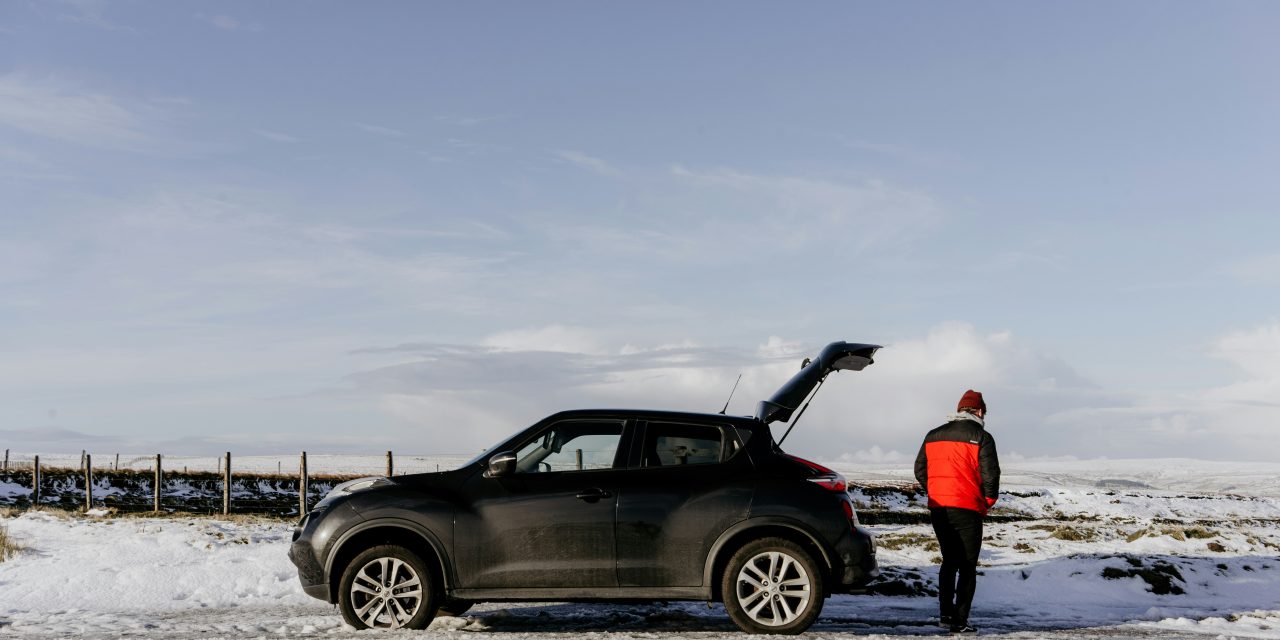
Cold weather can significantly affect the performance and longevity of car batteries. As temperatures drop, the chemical reactions within a battery slow down, leading to reduced capacity and efficiency. For instance, at 32°F (0°C), a battery can lose approximately 35% of its strength, while at 0°F (-18°C), this loss can escalate to nearly 60%. This diminished performance can result in difficulties starting the engine, especially in vehicles that rely on older or weaker batteries.
Moreover, cold weather exacerbates the effects of battery aging. Lead-acid batteries, which are commonly used in vehicles, have a finite lifespan, typically ranging from three to five years. As these batteries age, their ability to hold a charge diminishes, making them more susceptible to the adverse effects of low temperatures. Consequently, understanding how cold weather impacts battery performance is crucial for vehicle owners, particularly in regions that experience harsh winters.
Maintaining your car battery during winter is crucial for ensuring reliable vehicle performance in cold weather. For additional tips on keeping your car in top shape during the winter months, you might find it helpful to read an article on how to clean your microwave and remove stubborn food splatter, which emphasizes the importance of regular maintenance in various aspects of home and vehicle care. You can check it out here: How to Clean a Microwave.
Regularly Inspect Battery Terminals for Corrosion
Corrosion at battery terminals is a common issue that can impede electrical flow and lead to starting problems. The formation of corrosion is often due to the reaction between the battery acid and the metal terminals, resulting in a white, powdery substance that can obstruct connections. Regular inspections of battery terminals are essential to ensure optimal performance.
To inspect for corrosion, one should look for any discoloration or buildup around the terminals. If corrosion is present, it can be cleaned using a mixture of baking soda and water, applied with a wire brush. It is vital to disconnect the battery before performing any cleaning to avoid electrical shocks or damage. Regular maintenance not only prolongs battery life but also enhances overall vehicle reliability.
Keep Your Battery Fully Charged During Winter

Maintaining a fully charged battery during winter months is critical for ensuring reliable vehicle operation. A fully charged battery is less likely to freeze and is more capable of delivering the necessary power to start an engine in frigid conditions. It is advisable to check the battery’s charge level regularly, especially before embarking on long trips or during periods of inactivity.
Using a smart charger or battery maintainer can help keep the battery charged when the vehicle is not in use. These devices monitor the battery’s charge level and automatically adjust the charging process to prevent overcharging. By ensuring that your battery remains fully charged throughout winter, you can mitigate the risk of unexpected breakdowns and enhance your vehicle’s performance.
Use a Battery Warmer or Insulating Blanket

In extremely cold climates, utilizing a battery warmer or insulating blanket can be an effective strategy for protecting your car battery from freezing temperatures. Battery warmers are designed to maintain an optimal temperature for the battery, ensuring that it remains functional even in sub-zero conditions. These devices typically use electric heating elements that wrap around the battery, providing consistent warmth.
Insulating blankets serve as an alternative by providing thermal protection against cold air exposure. They are made from materials that trap heat and prevent heat loss from the battery. Both options can significantly improve starting performance and extend battery life during winter months. Investing in these protective measures can save vehicle owners from the inconvenience and expense of battery-related issues.
As winter approaches, it’s essential to take extra care of your car battery to ensure it performs optimally in cold weather. One effective way to maintain your battery is by keeping it clean and free of corrosion, which can hinder its performance. Additionally, checking the battery’s charge level regularly can help prevent unexpected failures. For more tips on vehicle maintenance during the winter months, you might find this article on car care particularly useful.
Limit Short Trips to Prevent Battery Drain
Frequent short trips can lead to battery drain, particularly during winter when batteries are already under stress from low temperatures. Each time a vehicle starts, it requires a substantial amount of energy from the battery. If the engine runs for only a short duration, it may not provide enough time for the alternator to recharge the battery adequately.
To mitigate this issue, it is advisable to combine errands into longer trips whenever possible. This allows the alternator sufficient time to replenish the battery’s charge while driving. Additionally, consider using public transportation or carpooling for shorter distances during winter months to reduce strain on your vehicle’s electrical system.
As winter approaches, it’s crucial to ensure your car battery remains in optimal condition to avoid unexpected breakdowns. One effective way to maintain your battery is by regularly checking its charge and cleaning any corrosion from the terminals. For more tips on keeping your vehicle running smoothly during the colder months, you might find this article on winter car maintenance particularly helpful. Taking these steps can significantly extend the life of your battery and enhance your overall driving experience.
Ensure Your Vehicle’s Charging System is Functioning Properly
A well-functioning charging system is essential for maintaining battery health and performance. The charging system comprises several components, including the alternator, voltage regulator, and associated wiring. If any part of this system malfunctions, it can lead to inadequate charging of the battery, resulting in premature failure.
Regular inspections of the charging system should include checking the alternator’s output voltage and ensuring that all connections are secure and free from corrosion. If any issues are detected, they should be addressed promptly by a qualified technician. Ensuring that your vehicle’s charging system operates efficiently will help prolong battery life and enhance overall vehicle reliability.
Disconnect Accessories When the Engine is Off
Many modern vehicles come equipped with various electronic accessories that can draw power even when the engine is off. Items such as GPS devices, phone chargers, and entertainment systems can contribute to parasitic drain on the battery, leading to diminished capacity over time. To prevent unnecessary drain, it is advisable to disconnect these accessories when not in use.
Additionally, consider utilizing power-saving features available in many vehicles that automatically turn off accessories after a certain period of inactivity. By being mindful of accessory usage and disconnecting them when not needed, vehicle owners can help preserve their battery’s charge and extend its lifespan.
Park in a Garage or Sheltered Area
Parking in a garage or sheltered area can provide significant benefits for your vehicle’s battery during winter months. Exposure to harsh weather conditions can exacerbate battery drain and increase the likelihood of freezing temperatures affecting performance. A garage offers protection from wind chill and snow accumulation, which can help maintain a more stable temperature around the vehicle.
If garage parking is not an option, consider using car covers or tarps designed for winter protection. These coverings can shield your vehicle from snow and ice while providing some insulation against cold air exposure. By taking steps to protect your vehicle from extreme weather conditions, you can enhance your battery’s performance and longevity.
Test Your Battery’s Health Before Winter Arrives
Before winter sets in, it is prudent to test your battery’s health to identify any potential issues that could arise during colder months. Many automotive service centers offer comprehensive battery testing services that assess factors such as charge capacity, voltage output, and overall condition.
Testing should ideally be performed at least once a year or before significant seasonal changes. If testing reveals that your battery is weak or nearing the end of its lifespan, it may be wise to replace it proactively rather than risk being stranded during winter emergencies.
Clean Battery Connections for Optimal Performance
Maintaining clean battery connections is vital for ensuring optimal electrical flow between the battery and vehicle components. Dirty or corroded connections can lead to increased resistance, resulting in poor starting performance and reduced efficiency of electrical systems.
To clean connections effectively, disconnect the negative terminal first followed by the positive terminal. Use a wire brush or terminal cleaner to remove any buildup on both terminals and cable ends. After cleaning, reconnect the terminals securely and apply a thin layer of petroleum jelly or anti-corrosion spray to prevent future corrosion buildup.
Replace an Old or Weak Battery Before the Cold Sets In
As batteries age, their ability to hold a charge diminishes significantly; thus, replacing an old or weak battery before winter arrives is crucial for preventing unexpected failures. Signs that indicate a need for replacement include slow engine cranking, dim headlights, or frequent jump-starts.
When selecting a new battery, consider factors such as cold cranking amps (CCA), reserve capacity (RC), and warranty terms. CCA measures a battery’s ability to start an engine in cold temperatures; higher ratings indicate better performance in frigid conditions. Investing in a high-quality replacement battery tailored for winter conditions will ensure reliable vehicle operation throughout the colder months.
In summary, understanding how cold weather affects car batteries is essential for maintaining optimal performance during winter months. Regular inspections for corrosion, keeping batteries fully charged, utilizing protective measures like warmers or blankets, limiting short trips, ensuring proper charging system function, disconnecting accessories when not in use, parking in sheltered areas, testing battery health before winter arrives, cleaning connections regularly, and replacing old batteries proactively are all critical strategies for enhancing battery longevity and reliability during harsh weather conditions. By implementing these practices, vehicle owners can minimize risks associated with cold weather and ensure their vehicles remain dependable throughout winter months.
### FAQ Section
1. **How does cold weather affect car batteries?**
Cold temperatures slow down chemical reactions within batteries, reducing their capacity and efficiency significantly.
2. **What temperature does a car battery start losing power?**
A car battery begins losing power at around 32°F (0°C), with losses becoming more pronounced as temperatures drop further.
3. **How often should I inspect my car battery?**
It is advisable to inspect your car battery at least once every three months or before significant seasonal changes.
4. **What are signs that my car battery needs replacing?**
Signs include slow engine cranking, dim headlights, frequent jump-starts, or visible corrosion around terminals.
5. **Can I use a regular blanket instead of a battery warmer?**
While regular blankets may provide some insulation, dedicated battery warmers are specifically designed to maintain optimal temperatures for batteries.
6. **How do I clean corroded battery terminals?**
Disconnect the terminals first; then use a mixture of baking soda and water with a wire brush to clean off corrosion.
7. **Is it safe to jump-start my car if my battery is weak?**
Yes, but ensure you follow proper jump-starting procedures to avoid damaging your vehicle’s electrical system.
8. **What should I do if my car won’t start in cold weather?**
Check if your lights turn on; if they do not dim significantly when trying to start—this may indicate a dead battery needing replacement or jump-starting.
9. **How long does a typical car battery last?**
Most lead-acid car batteries last between three to five years under normal conditions.
10. **What maintenance should I perform on my car’s charging system?**
Regularly check alternator output voltage and inspect wiring connections for signs of wear or corrosion.
By adhering to these guidelines and understanding how cold weather impacts car batteries, vehicle owners can ensure their cars remain reliable throughout winter months while minimizing potential issues related to battery performance.
FAQs
What are the signs that my car battery is weak during winter?
Common signs of a weak car battery in winter include slow engine cranking, dim headlights, and electrical issues such as malfunctioning power windows or dashboard lights. If your battery struggles to start the engine, especially in cold weather, it may be time for a replacement.
How can I prevent my car battery from freezing in winter?
To prevent your car battery from freezing, park your vehicle in a garage or a sheltered area, keep the battery fully charged, and consider using a battery blanket or heater. Additionally, maintaining proper electrolyte levels can help reduce the risk of freezing.
What maintenance should I perform on my car battery before winter?
Before winter, you should clean the battery terminals to remove corrosion, check the battery’s charge level, and ensure that the connections are tight. It’s also advisable to test the battery’s overall health, especially if it’s more than three years old.
How often should I check my car battery during winter?
It’s recommended to check your car battery at least once a month during winter. Look for signs of corrosion, ensure connections are secure, and test the battery’s charge level to ensure it can handle cold temperatures.
Can extreme cold temperatures affect my car battery’s performance?
Yes, extreme cold temperatures can significantly affect a car battery’s performance. Cold weather can reduce a battery’s capacity and make it harder for the engine to start. In temperatures below freezing, a battery can lose up to 60% of its strength.