Selecting the appropriate flowers for your specific climate is paramount to achieving a flourishing garden. Different species thrive under varying temperature ranges, humidity levels, and seasonal conditions. For instance, if you reside in a temperate zone, consider planting perennials such as coneflowers (Echinacea) or daylilies (Hemerocallis), which are well-suited to withstand fluctuating temperatures. Conversely, in arid regions, drought-resistant varieties like lavender (Lavandula) or succulents may be more appropriate.
Understanding your USDA Plant Hardiness Zone can significantly aid in making informed decisions. This classification system divides regions based on their minimum winter temperatures, allowing gardeners to select flowers that will not only survive but also thrive in their environment. Additionally, local microclimates—areas with unique weather patterns—should be taken into account. For example, a south-facing slope may receive more sunlight than a shaded area, influencing the types of flowers that will flourish there.
Prepare Your Soil Properly
Soil preparation is a critical step in establishing a successful flower garden. The foundation of any healthy plant lies in nutrient-rich soil that promotes robust root development. Begin by conducting a soil test to determine pH levels and nutrient content. Most flowering plants prefer a slightly acidic to neutral pH (around 6.0 to 7.0). Based on the results, you may need to amend your soil with lime to raise pH or sulfur to lower it.
Incorporating organic matter, such as compost or well-rotted manure, enhances soil structure and fertility. This not only improves drainage but also increases moisture retention, creating an optimal environment for root systems to expand. Additionally, tilling the soil to a depth of at least 12 inches allows for aeration and encourages beneficial microbial activity, which is essential for nutrient cycling.
Plan Your Garden Layout Strategically

Strategic planning of your garden layout can significantly impact the overall aesthetic and health of your flowers. Consider factors such as plant height, bloom time, and color schemes when arranging your garden beds. Taller plants should be positioned at the back of borders or in the center of circular beds to ensure they do not overshadow shorter varieties. This arrangement not only enhances visibility but also allows for adequate air circulation.
Incorporating companion planting techniques can further optimize your garden’s productivity. Certain flowers, such as marigolds, can deter pests when planted alongside more vulnerable species. Additionally, grouping plants with similar water and sunlight requirements can simplify maintenance and promote healthier growth. Utilizing pathways or stepping stones can also facilitate access for weeding and harvesting while adding visual interest.
Provide Adequate Sunlight for Each Plant

Sunlight is a vital component for photosynthesis, the process through which plants convert light energy into chemical energy. Different flower species have varying sunlight requirements; therefore, it is crucial to assess the light conditions in your garden before planting. Full sun varieties, such as sunflowers (Helianthus annuus), require at least six hours of direct sunlight daily, while shade-tolerant species like hostas (Hosta) thrive in low-light conditions.
To maximize sunlight exposure, consider the orientation of your garden relative to the sun’s path throughout the day. If possible, avoid planting tall structures or trees that may cast shadows over your flower beds. Regularly monitoring the sun’s movement can help you identify areas that may need adjustments or additional planting to ensure all flowers receive adequate light.
Water Your Flowers Consistently and Correctly
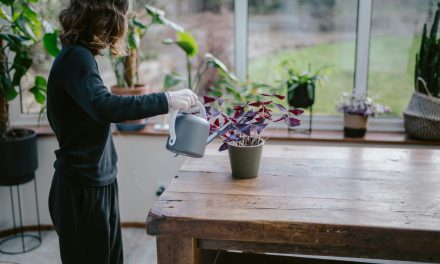
Watering is an essential aspect of flower care that directly influences plant health and growth. Consistency is key; flowers generally prefer deep watering sessions rather than frequent shallow applications. This encourages roots to grow deeper into the soil, enhancing drought resistance. A general rule of thumb is to provide about one inch of water per week, either through rainfall or irrigation.
Timing is also crucial when it comes to watering practices. Early morning is often considered the best time to water flowers, as it allows moisture to reach the roots before evaporation occurs due to midday heat. Conversely, watering in the evening can lead to prolonged moisture on foliage, increasing the risk of fungal diseases. Utilizing drip irrigation systems can provide targeted watering while conserving water resources.
Use Quality Fertilizers to Boost Growth
Fertilization plays a pivotal role in promoting healthy flower growth and vibrant blooms. Quality fertilizers contain essential macronutrients—nitrogen (N), phosphorus (P), and potassium (K)—as well as micronutrients necessary for optimal plant development. A balanced fertilizer with an N-P-K ratio of 10-10-10 is often suitable for most flowering plants.
Timing your fertilization is equally important; applying fertilizer during the growing season—typically in spring and early summer—can provide plants with the nutrients they need during their peak growth phase. Additionally, slow-release fertilizers can offer a steady supply of nutrients over time, reducing the frequency of applications while minimizing the risk of nutrient leaching.
Mulch to Retain Moisture and Control Weeds
Mulching is an effective technique for maintaining soil moisture levels and suppressing weed growth in flower gardens. Organic mulches, such as shredded bark or straw, not only retain moisture but also improve soil structure as they decompose over time. A layer of mulch approximately 2-3 inches thick can significantly reduce evaporation rates and keep soil temperatures stable.
In addition to moisture retention, mulch acts as a barrier against weeds that compete for nutrients and water. By blocking sunlight from reaching weed seeds, mulch can effectively inhibit their germination and growth. Regularly replenishing mulch throughout the growing season ensures continued effectiveness while enhancing the overall appearance of your garden.
Prune Dead and Overgrown Blooms Regularly
Regular pruning is essential for maintaining the health and aesthetics of flowering plants. Deadheading—removing spent blooms—encourages plants to redirect energy towards new growth rather than seed production. This practice not only prolongs blooming periods but also enhances overall plant vigor.
In addition to deadheading, pruning overgrown stems can improve air circulation within the plant canopy, reducing the risk of fungal diseases caused by excessive humidity. It is advisable to use clean, sharp pruning shears to make precise cuts and minimize damage to healthy tissue. Timing your pruning according to each species’ growth cycle can yield optimal results.
Protect Your Garden from Pests Naturally
Pest management is a critical aspect of flower gardening that requires vigilance and proactive measures. Implementing integrated pest management (IPM) strategies can help minimize chemical interventions while promoting ecological balance. Natural predators such as ladybugs and lacewings can be introduced to control aphid populations without harming beneficial insects.
Additionally, employing physical barriers like row covers or insect netting can protect vulnerable plants from pests while allowing sunlight and moisture to penetrate. Companion planting with pest-repelling flowers—such as nasturtiums (Tropaeolum)—can also deter unwanted insects naturally while enhancing biodiversity within your garden ecosystem.
Rotate Flowers to Maintain Soil Health
Crop rotation is a practice often associated with vegetable gardening but can also benefit flower gardens by maintaining soil health and preventing disease buildup. Different flower species have varying nutrient requirements; rotating them annually helps prevent nutrient depletion and reduces the risk of soil-borne diseases that may affect specific plant families.
For instance, if you planted daisies (Bellis perennis) in one area last year, consider planting a different species from another family—such as zinnias (Zinnia elegans)—in that same spot this year. This practice not only promotes soil fertility but also encourages diverse microbial activity within the soil ecosystem.
Monitor and Adjust Care Throughout the Season
Continuous monitoring of your flower garden throughout the growing season is essential for identifying potential issues early on and making necessary adjustments to care routines. Regularly inspecting plants for signs of stress—such as wilting leaves or discoloration—can help you address problems before they escalate.
Adjusting care practices based on seasonal changes is equally important; as temperatures rise or fall, watering needs may fluctuate accordingly. Keeping a gardening journal can assist in tracking plant performance and care routines over time, allowing you to refine your approach for future growing seasons.
In summary, cultivating a thriving flower garden requires careful consideration of various factors including climate suitability, soil preparation, strategic layout planning, adequate sunlight exposure, consistent watering practices, quality fertilization, effective mulching techniques, regular pruning, natural pest protection methods, crop rotation for soil health maintenance, and ongoing monitoring throughout the season. By implementing these practices diligently, gardeners can create vibrant floral displays that enhance their outdoor spaces while promoting ecological balance within their gardens.
FAQs
What are the best flowers to plant in a flower garden?
The best flowers to plant in a flower garden depend on your climate, soil type, and personal preferences. Some popular choices include marigolds, petunias, zinnias, and sunflowers for annuals, while perennials like daylilies, peonies, and coneflowers are also great options. It’s important to choose flowers that thrive in your specific growing conditions.
How often should I water my flower garden?
Generally, flower gardens should be watered deeply once a week, allowing the soil to dry out slightly between waterings. However, this can vary based on the type of flowers, soil conditions, and weather. During hot, dry spells, you may need to water more frequently, while cooler, rainy periods may require less watering.
What type of soil is best for flower gardening?
Well-draining soil rich in organic matter is ideal for flower gardening. A loamy soil that retains moisture but also allows excess water to drain is preferred. You can improve your soil by adding compost or well-rotted manure to enhance its fertility and structure.
When is the best time to plant flowers?
The best time to plant flowers typically depends on the type of flowers you are planting. For most annuals, planting in the spring after the last frost is ideal. Perennials can be planted in either spring or fall, depending on the specific variety and local climate conditions.
How can I prevent pests in my flower garden?
Preventing pests in your flower garden can be achieved through several methods, including maintaining healthy plants, using companion planting, and introducing beneficial insects like ladybugs. Additionally, organic pesticides and insecticidal soaps can be used as a last resort to manage pest populations without harming the environment.