Food shelf life is a critical concept in food safety and nutrition, encompassing the duration that food products remain safe to consume while maintaining their intended quality. Understanding shelf life is essential for consumers, food manufacturers, and retailers alike, as it directly impacts health, waste management, and economic considerations. The shelf life of food can vary significantly based on several factors, including the type of food, storage conditions, and packaging methods.
The importance of food shelf life cannot be overstated. With an estimated one-third of all food produced globally going to waste, understanding how long food remains safe and palatable can help mitigate this issue. By adhering to proper storage practices and recognizing the signs of spoilage, individuals can make informed decisions about food consumption and waste reduction. This article will delve into various categories of food, exploring their shelf lives, expiration dates, and best practices for storage.
Expiration dates are often a source of confusion for consumers. Two common terms encountered are “Best Before” and “Use By,” each carrying distinct meanings. The “Best Before” date indicates the period during which the product is expected to retain its optimal quality in terms of flavor, texture, and nutritional value. After this date, the food may still be safe to consume but may not deliver the same sensory experience.
Conversely, the “Use By” date is a more definitive marker of safety. It signifies the last day on which the product can be consumed without posing a health risk. Foods that have passed their “Use By” date should be discarded to avoid potential foodborne illnesses. Understanding these distinctions is crucial for consumers to make informed choices about food safety and quality.
Shelf Life of Fresh Produce: Fruits and Vegetables
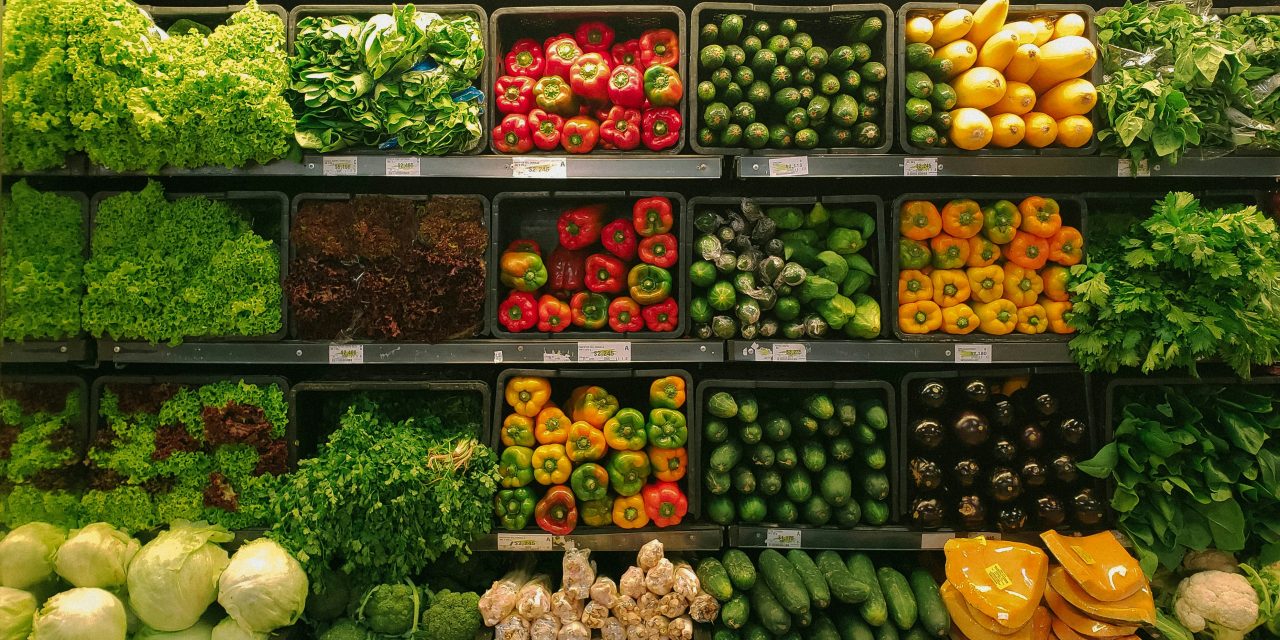
Fresh produce is a cornerstone of a healthy diet, but its shelf life can vary widely among different types of fruits and vegetables. Generally, leafy greens such as spinach and lettuce have a shorter shelf life, typically lasting about 3 to 7 days when stored in the refrigerator. In contrast, root vegetables like carrots and potatoes can last several weeks or even months if stored properly in a cool, dark place.
To maximize the shelf life of fresh produce, it is essential to store items correctly. For instance, ethylene-producing fruits such as apples and bananas should be kept separate from vegetables sensitive to ethylene gas, like cucumbers and leafy greens. Additionally, washing produce before storage can introduce moisture that accelerates spoilage; therefore, it is advisable to wash fruits and vegetables just before consumption.
How Long Does Dairy Last? Milk, Cheese, and Yogurt

Dairy products are staples in many diets but require careful attention to their shelf life to ensure safety and quality. Milk typically has a shelf life of about 5 to 7 days past its “Sell By” date when refrigerated at or below 40°F (4°C). However, factors such as pasteurization methods and packaging can influence this duration.
Cheese varieties exhibit varying shelf lives; hard cheeses like cheddar can last several months when stored properly, while soft cheeses such as ricotta have a shorter lifespan of about 1 to 2 weeks after opening. Yogurt generally remains safe for consumption for 1 to 3 weeks beyond its expiration date if kept refrigerated. To prolong the freshness of dairy products, it is advisable to store them in airtight containers and maintain consistent refrigeration temperatures.
Meat and Poultry: Safe Storage Times

Meat and poultry are highly perishable foods that require strict adherence to storage guidelines to prevent foodborne illnesses. Fresh beef, pork, and lamb can typically be stored in the refrigerator for 3 to 5 days before cooking or freezing. Poultry such as chicken or turkey has a slightly shorter shelf life of 1 to 2 days when stored in the refrigerator.
For longer-term storage, freezing is an effective option. Ground meats can be frozen for up to 4 months, while whole cuts of meat can last up to a year in the freezer if properly wrapped in moisture-proof packaging. It is crucial to thaw meat safely in the refrigerator or using cold water methods rather than at room temperature to minimize bacterial growth.
Seafood Shelf Life: Fresh and Frozen Options
Seafood is another category that demands careful consideration regarding shelf life due to its susceptibility to spoilage. Fresh fish should ideally be consumed within 1 to 2 days of purchase when stored in the refrigerator at temperatures below 40°F (4°C). Shellfish such as shrimp or scallops also have a similar shelf life when kept chilled.
Freezing seafood extends its shelf life significantly; most fish can be frozen for up to 6 months without losing quality. Shellfish can last even longer in the freezer—up to a year—if properly packaged. To ensure freshness, seafood should be stored in airtight containers or vacuum-sealed bags before freezing.
Eggs: How to Tell If They’re Still Good
Eggs are a versatile ingredient found in many kitchens but require careful evaluation for freshness. The shelf life of eggs can extend beyond their expiration date if stored correctly in the refrigerator. A simple freshness test involves placing an egg in a bowl of water; fresh eggs will sink while older eggs will float due to air cell expansion.
Generally, eggs can remain safe for consumption for about 3 to 5 weeks after purchase if kept refrigerated. However, it is essential to check for any signs of spoilage such as off odors or unusual appearances before use. Proper storage in their original carton helps protect eggs from absorbing odors from other foods while maintaining moisture levels.
Shelf Life of Pantry Staples: Grains, Pasta, and Legumes
Pantry staples such as grains, pasta, and legumes are foundational components of many diets and boast impressive shelf lives when stored correctly. Uncooked rice can last indefinitely if kept dry; however, white rice typically maintains optimal quality for about 4-5 years while brown rice has a shorter lifespan of around 6 months due to its higher oil content.
Pasta has a similar longevity; dried pasta can last for several years when stored in a cool, dry place. Legumes like lentils and beans also have extended shelf lives—up to 2-3 years—if kept sealed in airtight containers away from moisture and light. Regularly checking pantry items for signs of spoilage such as discoloration or off odors is advisable.
Canned Goods: When Are They Still Safe to Eat?
Canned goods are often considered long-lasting staples due to their preservation methods. Most canned foods maintain their best quality for 2-5 years past their “Best By” dates when stored in a cool, dark environment. However, they may still be safe to consume beyond this timeframe if there are no signs of damage or spoilage.
It is crucial to inspect cans before use; bulging lids or rusted surfaces may indicate compromised integrity and potential contamination. Once opened, canned goods should be transferred to airtight containers and refrigerated for optimal freshness—typically lasting about 3-4 days.
Frozen Foods: How Long Can You Keep Them?
Freezing is an effective method for extending the shelf life of various foods while preserving nutritional value and flavor. Most frozen foods maintain their best quality for several months; for example, vegetables can last up to 12 months while fruits typically retain quality for about 8-12 months when stored at 0°F (-18°C) or lower.
However, it is essential to note that while freezing halts bacterial growth, it does not eliminate it entirely; therefore, proper handling before freezing is crucial. Foods should be packaged in moisture-proof materials to prevent freezer burn and maintain quality over time.
Tips for Extending Food Shelf Life and Reducing Waste
To maximize food shelf life and minimize waste, several strategies can be employed effectively:
1. **Proper Storage**: Utilize airtight containers for perishable items and maintain appropriate refrigeration temperatures.
2. **Labeling**: Clearly label items with purchase dates or expiration dates to track freshness.
3. **FIFO Method**: Implement the “First In, First Out” principle by using older items before newer ones.
4. **Regular Inventory**: Conduct periodic checks of your pantry and refrigerator to identify items nearing expiration.
5. **Meal Planning**: Plan meals around ingredients that need to be used soon to reduce waste.
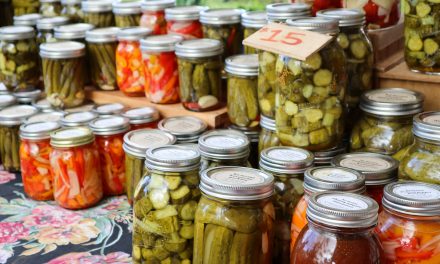
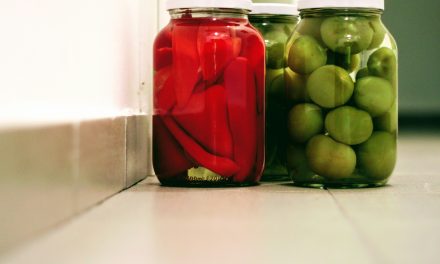
6. **Preservation Techniques**: Consider methods such as pickling or dehydrating surplus produce for extended use.
By adopting these practices, individuals can contribute significantly to reducing food waste while ensuring they consume safe and high-quality products.
In summary, understanding food shelf life is essential for maintaining health and minimizing waste in our daily lives. By recognizing expiration dates, proper storage techniques, and evaluating various food categories—from fresh produce to canned goods—consumers can make informed decisions that promote safety and sustainability in their kitchens.
FAQs
What is the typical shelf life of canned goods?
Canned goods generally have a shelf life of 2 to 5 years when stored in a cool, dry place. However, they can remain safe to eat beyond this period if the can is not damaged or compromised.
How long do fresh fruits and vegetables last?
The shelf life of fresh fruits and vegetables varies widely. For example, apples can last up to 4-6 weeks in the refrigerator, while leafy greens typically last only about 3-7 days. Proper storage conditions can significantly extend their freshness.
What is the shelf life of dairy products?
Dairy products like milk usually last about 1 week past the sell-by date if refrigerated properly. Hard cheeses can last several months, while soft cheeses typically last about 1-2 weeks after opening.
How long can dry pasta be stored?
Uncooked dry pasta can last indefinitely if stored in a cool, dry place. However, for best quality, it is recommended to use it within 1-2 years. Cooked pasta should be consumed within 3-5 days when refrigerated.
What is the shelf life of frozen foods?
Frozen foods can last anywhere from 3 months to a year, depending on the type of food. While they remain safe to eat indefinitely if kept frozen, quality may decline over time, leading to freezer burn or loss of flavor.